
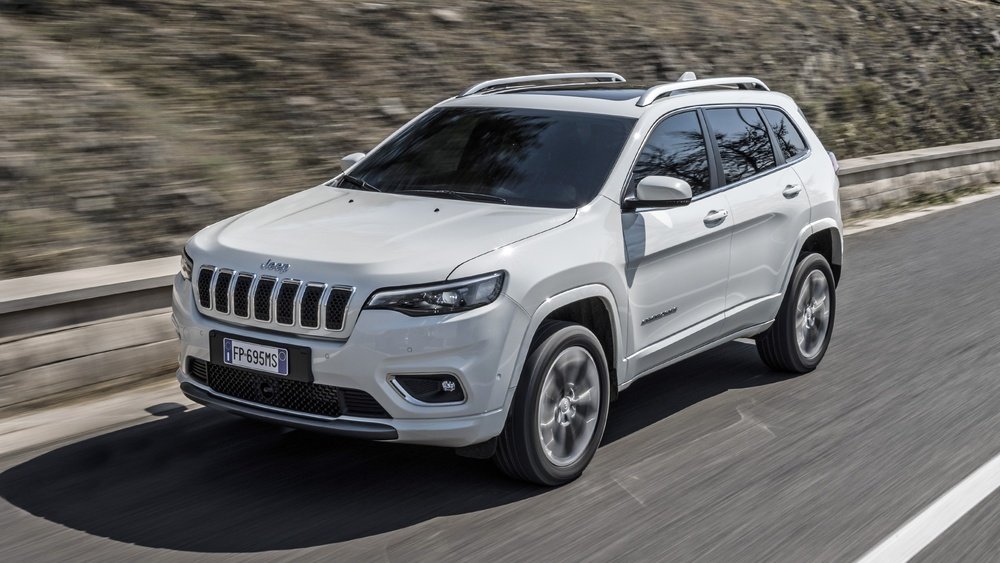
Are Jeep Cherokees Good Cars: Honest Pros and Cons Explained
 Reading Time: 8 minutes
 Buying a car is a big decision, and for many people, the Jeep Cherokee stands out. It looks tough, promises adventure, and has a long history. But is it actually a good car for daily life, travel, or family use? With so many options on the market, let’s explore if the Jeep Cherokee truly delivers value, reliability, and comfort. This guide will help you understand everything you need to know before you buy or recommend a Cherokee, from real-world performance to ownership costs, so you can make a smart choice.
History And Reputation Of Jeep Cherokee
The Jeep Cherokee first appeared in 1974 and quickly became famous for its off-road abilities. Over time, it changed from a basic SUV into a more modern, comfortable vehicle. The most popular version, the XJ Cherokee (1984–2001), earned praise for its strong build and simple design. Many car fans still talk about these models as some of the best Jeeps ever made.
Later generations, especially after 2014, focused more on city driving and comfort. The brand tried to mix adventure with modern features. This shift brought new buyers but also changed what Cherokee owners expected. Today, Cherokee is seen as a mid-size SUV that tries to balance rough-road capability with daily usefulness.
Its reputation is strong among those who love adventure, but opinions vary among average drivers.
Performance: Engine, Handling, And Off-road
The Cherokee offers several engine choices. Most recent models come with:
- 2.4L four-cylinder: Good for city driving, but not very fast.
- 3.2L V6: More power, better for highway and towing.
- 2.0L turbo: Offers fast acceleration and better fuel economy.
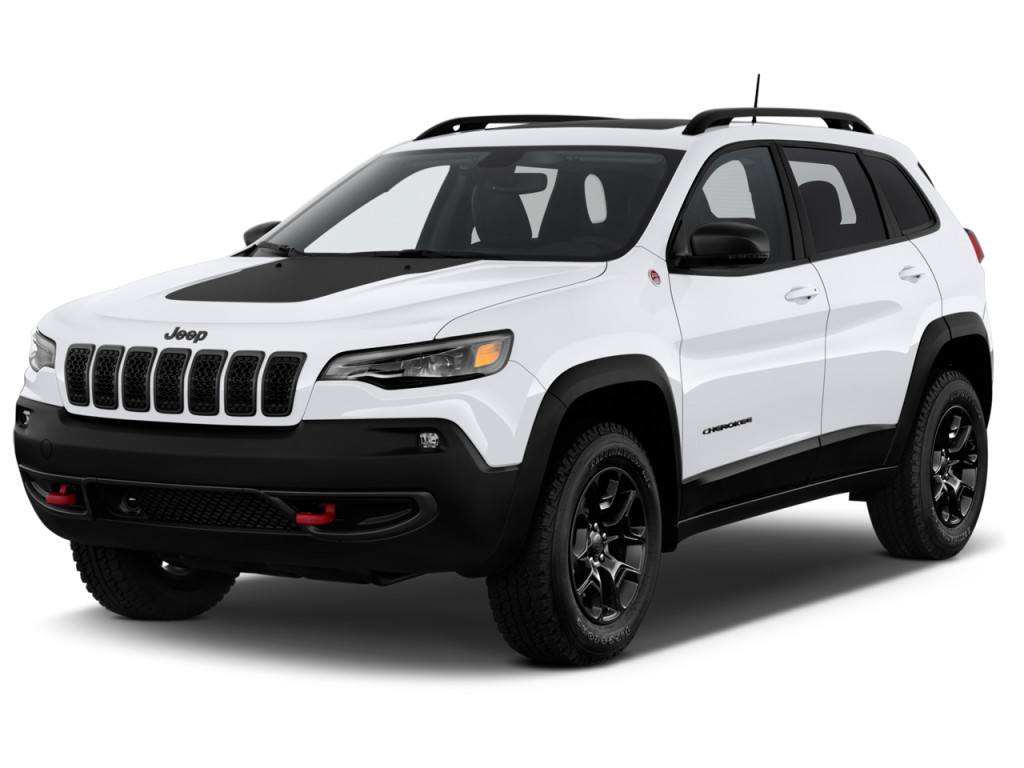
The Cherokee’s handling is good for its class. It feels steady on turns and absorbs bumps well. The steering is light, which helps in crowded cities. For off-road, the Cherokee stands out. The Trailhawk trim, for example, has features like:
- Raised suspension
- Skid plates
- All-terrain tires
- Locking rear differential
These features make it easy to drive on rough trails, muddy paths, and snow. The Cherokee is not the best in pure speed or luxury, but it handles tough roads better than most other mid-size SUVs.
Engine And Fuel Economy Comparison
Here’s how the Cherokee’s engines compare with other similar SUVs:
| Model | Engine | Horsepower | MPG (City/Hwy) |
|---|---|---|---|
| Jeep Cherokee | 2.4L 4-cyl | 180 | 21/29 |
| Jeep Cherokee | 3.2L V6 | 271 | 20/29 |
| Honda CR-V | 1.5L Turbo | 190 | 28/34 |
| Toyota RAV4 | 2.5L 4-cyl | 203 | 27/35 |
As you can see, Cherokee’s V6 offers more power, but its fuel economy is lower than some competitors. The turbo engine is a good balance between speed and efficiency.
Comfort And Interior Features
The Cherokee’s cabin is comfortable for most people. The seats are soft, and there’s plenty of space for both front and rear passengers. The dashboard looks modern, with easy-to-use buttons and a large touchscreen. Many Cherokees offer:
- Leather seats
- Dual-zone climate control
- Heated steering wheel
- Sunroof
The sound system is good, and the Cherokee’s noise insulation keeps the cabin quiet even at high speeds. Cargo space is average. You can fit groceries, luggage, or sports gear, but some rivals offer more room.
Interior Space Comparison
Here’s a comparison of cargo space between Cherokee and its main rivals:
| Model | Cargo Space (cu. ft.) | Passenger Capacity |
|---|---|---|
| Jeep Cherokee | 25.8 | 5 |
| Toyota RAV4 | 37.6 | 5 |
| Honda CR-V | 39.2 | 5 |
| Ford Escape | 34.4 | 5 |
The Cherokee has less cargo space than the CR-V or RAV4, so if you carry lots of items, this could be a drawback.
Reliability And Maintenance Costs
Reliability is a big concern for any car buyer. Cherokee’s record is mixed. Some years, especially 2014–2015, saw more problems, mainly with the transmission and electronics. Later models improved, but issues can still appear. According to J.D. Power, Cherokee scores average for reliability.
Maintenance costs are higher than some rivals. Regular service, oil changes, and brake repairs are slightly more expensive. Parts are not hard to find, but labor costs can add up. Many owners report spending about $500–$700 per year for normal maintenance.
Common Problems
- Transmission issues: Some Cherokees have rough shifting or sudden stops.
- Electrical glitches: Problems with the touchscreen, sensors, or automatic windows.
- Water leaks: Rare, but some models let water into the cabin during heavy rain.
Not every owner faces these issues, but it’s wise to check for recalls or service history before buying.

Credit: www.huffineschryslerjeepdodgeramlewisville.com
Safety Ratings And Features
Safety is another area where Cherokee performs well. The National Highway Traffic Safety Administration (NHTSA) gave most Cherokee models four out of five stars for crash safety. The Insurance Institute for Highway Safety (IIHS) rates Cherokee as “Good” in most tests.
Key safety features include:
- Automatic emergency braking
- Lane departure warning
- Blind spot monitoring
- Rear cross-traffic alert
Some trims also offer adaptive cruise control and parking assist. Cherokee’s strong body and airbags protect passengers, making it a safe choice for families.
Safety Feature Comparison
| Model | Standard Safety Features | NHTSA Rating |
|---|---|---|
| Jeep Cherokee | Airbags, ABS, Blind Spot Monitor | 4/5 |
| Toyota RAV4 | Airbags, Lane Keep, Auto Brake | 5/5 |
| Honda CR-V | Airbags, Lane Keep, Auto Brake | 5/5 |
Cherokee offers good protection, but some rivals get higher crash test scores.
Ownership Costs: Insurance, Depreciation, And Value
Owning a Cherokee is more than just buying it. Insurance costs are average to slightly above average for its class. Most owners pay about $1,200–$1,400 per year, depending on location and driving history.
Depreciation is higher than some competitors. Cherokee loses value faster, especially in the first three years. This is partly because Jeep sells many Cherokees and updates them often, which lowers used prices.
Ownership Cost Breakdown
- Insurance: $1,200–$1,400/year
- Maintenance: $500–$700/year
- Depreciation: Loses about 40% of value in 5 years
Some rivals, like Toyota RAV4 or Honda CR-V, hold value better and cost less to maintain. If resale value is important, this is something to consider.

Credit: cars.usnews.com
Real-world Owner Experiences
Many Cherokee owners love their SUV for its rugged style and off-road ability. The Trailhawk trim, in particular, gets praise for handling snow, mud, and tough trails. Families appreciate the comfortable seats and quiet ride. City drivers find it easy to park and steer.
However, some owners complain about:
- Transmission problems
- Small cargo space
- Higher fuel costs
A non-obvious insight is that Cherokee’s technology features, like the Uconnect touchscreen, are user-friendly but can sometimes freeze or restart. Another hidden detail is that Cherokee’s all-wheel-drive system uses sensors to adapt to road conditions, but if one sensor fails, the system can act up.
Regular checks help prevent these issues.
Comparing Jeep Cherokee To The Competition
Cherokee faces tough competition from Toyota RAV4, Honda CR-V, and Ford Escape. Here’s how it stacks up:
- Off-Road: Cherokee wins, especially in Trailhawk trim.
- Reliability: RAV4 and CR-V are more consistent.
- Fuel Economy: Rivals are better, especially hybrids.
- Comfort: All are similar, but Cherokee’s seats get praise.
- Cargo Space: Cherokee is smaller inside.
If you value adventure and rough-road performance, Cherokee is a smart pick. If you want lower maintenance costs and more space, rivals may be better.
Pros And Cons Of Jeep Cherokee
To help you decide, here are the main strengths and weaknesses:
Pros
- Excellent off-road ability
- Comfortable seats and ride
- Good safety features
- Modern technology options
- Stylish design
Cons
- Average reliability
- Smaller cargo space
- Higher fuel and maintenance costs
- Faster depreciation
- Some models have transmission issues
Who Should Buy A Jeep Cherokee?
Cherokee is a good fit for:
- People who love adventure and off-road driving
- Drivers who want a stylish, comfortable SUV
- Families who need good safety features
- Those who don’t mind higher maintenance costs
It may not suit those who want maximum cargo space, top fuel economy, or rock-solid reliability. If you plan to drive mostly in the city and want to keep costs low, another SUV might be better.
Buying Tips And Common Mistakes
When shopping for a Cherokee, keep these tips in mind:
- Check model year: Later models (2016+) are more reliable.
- Inspect for recalls: Especially transmission and electronics.
- Test drive: Try different trims, especially Trailhawk and Limited.
- Review service history: Make sure regular maintenance was done.
- Compare insurance rates: Costs can vary by location.
A common mistake is ignoring the cargo space. Make sure it fits your needs. Another is skipping the test drive; always try the car before buying. Some buyers forget to check for recalls or past repairs, which can lead to expensive surprises later.
Frequently Asked Questions
Is The Jeep Cherokee Reliable?
Cherokee scores average for reliability. Some years had more problems, but newer models improved. Always check the service history before buying.
How Good Is The Cherokee For Off-road Driving?
The Cherokee, especially the Trailhawk trim, is excellent for off-road. It has special features like raised suspension and skid plates, making it better than most rivals in tough conditions.
What Are The Common Problems With Jeep Cherokee?
The most common issues are transmission problems, electrical glitches, and sometimes water leaks. Regular maintenance helps reduce these risks.
Does The Cherokee Have Good Resale Value?
Cherokee depreciates faster than some competitors. It loses about 40% of its value in five years, mainly due to frequent updates and high sales.
How Does Cherokee Compare With Toyota Rav4 And Honda Cr-v?
Cherokee is better for off-road, but RAV4 and CR-V are more reliable, have more cargo space, and hold value better. Cherokee offers more adventure, while rivals focus on economy and space.
In summary, the Jeep Cherokee is a good car for adventure lovers and those who want a stylish, comfortable ride. It offers strong off-road skills and modern features, but it has some weaknesses in reliability, cargo space, and maintenance costs. For many, its unique mix of capability and comfort makes it worth considering, but do your research, test drive, and compare before making your final decision. For more detailed specs and reviews, you can visit Edmunds.
Credit: www.thecarconnection.com


