
How to Shift Jeep Wrangler into 4Wd: Easy Steps for Off-Road Power
 Reading Time: 9 minutes
 If you own a Jeep Wrangler, knowing how to shift it into 4WD is essential for tackling tough roads and off-road adventures with confidence. Whether you’re driving through mud, snow, or rocky terrain, engaging four-wheel drive gives your Jeep the traction it needs to keep moving forward.
But if you’re new to your Wrangler or just haven’t tried 4WD yet, the process might seem tricky or confusing. Don’t worry—this guide will walk you through simple, step-by-step instructions so you can switch into 4WD smoothly and safely. Keep reading to master this key skill and get the most out of your Jeep’s legendary capability.
Credit: www.quadratec.com
Types Of 4wd In Jeep Wrangler
The Jeep Wrangler offers several types of four-wheel drive (4WD) modes. Each mode suits different driving conditions. Knowing these types helps you shift correctly and drive safely.
The Wrangler’s 4WD system includes Four-Wheel Drive High, Four-Wheel Drive Low, and Two-Wheel Drive Mode. These modes control power to the wheels differently. Understanding each mode ensures better vehicle performance on all terrains.
Four-wheel Drive High
Four-Wheel Drive High (4H) sends power to all four wheels equally. It works well on slippery roads like wet pavement or light snow. You can shift into 4H while driving at low speeds. This mode improves traction without reducing speed.
Four-wheel Drive Low
Four-Wheel Drive Low (4L) provides maximum power and torque. It is for tough off-road conditions like mud, rocks, or deep sand. Shift into 4L only when the vehicle is stopped or moving very slowly. This mode helps crawl over rough terrain with full control.
Two-wheel Drive Mode
Two-Wheel Drive (2WD) powers only the rear wheels. Use this mode for normal driving on dry, smooth roads. It saves fuel and reduces wear on the drivetrain. Switch to 2WD when 4WD is not needed for better efficiency.

Credit: www.youtube.com
Preparing To Shift Into 4wd
Preparing to shift your Jeep Wrangler into 4WD is essential for safe and smooth operation. This step ensures your vehicle engages the four-wheel-drive system without causing damage or losing control.
Following proper preparation helps you avoid mechanical issues and maintain traction on rough terrain or slippery roads. Let’s break down the key actions to take before shifting into 4WD.
Check Vehicle Speed
Always check your vehicle speed before shifting. For most Jeep Wranglers, 4WD high can be engaged at speeds under 55 mph. For 4WD low, your speed should be close to zero or a slow crawl. Shifting at the right speed protects your drivetrain from damage and ensures proper engagement.
Shift To Neutral
Shift the transmission to neutral before switching into 4WD. This step is crucial, especially when moving into 4WD low. Putting the vehicle in neutral reduces stress on the transfer case and helps the shift happen smoothly. Keep your foot on the brake during this process.
Brake And Safety Measures
Apply the brake firmly before shifting into 4WD. This keeps your Jeep steady and prevents sudden movements. Make sure you are on a safe, flat surface or moving slowly if off-road. Avoid abrupt acceleration or turning during the shift to maintain control.
Engaging 4wd High
Engaging 4WD High in a Jeep Wrangler gives you extra traction on slippery roads. It is perfect for light off-road driving and wet pavement. This mode helps your Wrangler handle tough conditions without slowing down.
Using 4WD High is simple and can be done while driving at low to moderate speeds. Follow the steps below to shift your Jeep into 4WD High smoothly and safely.
Locate The 4wd Lever
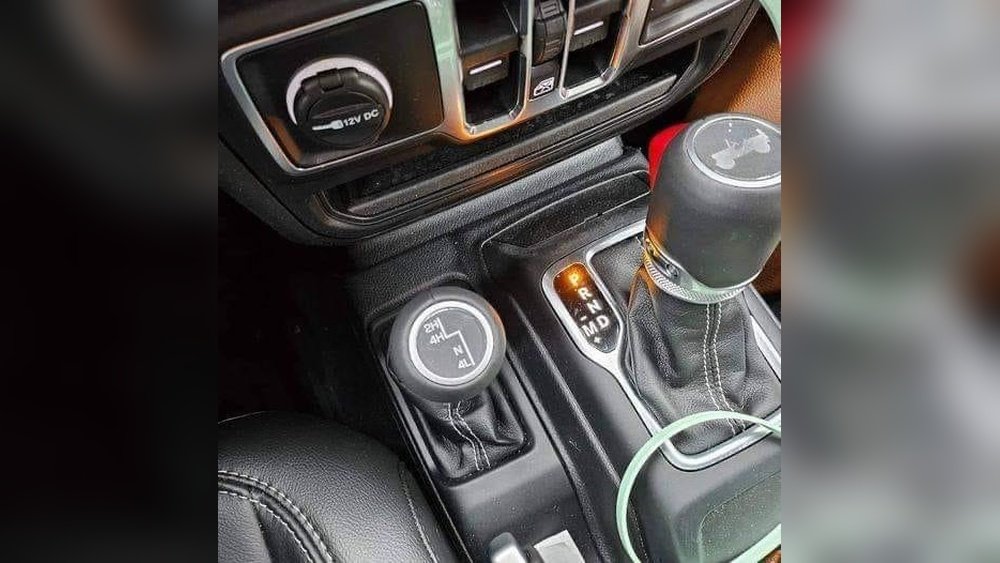
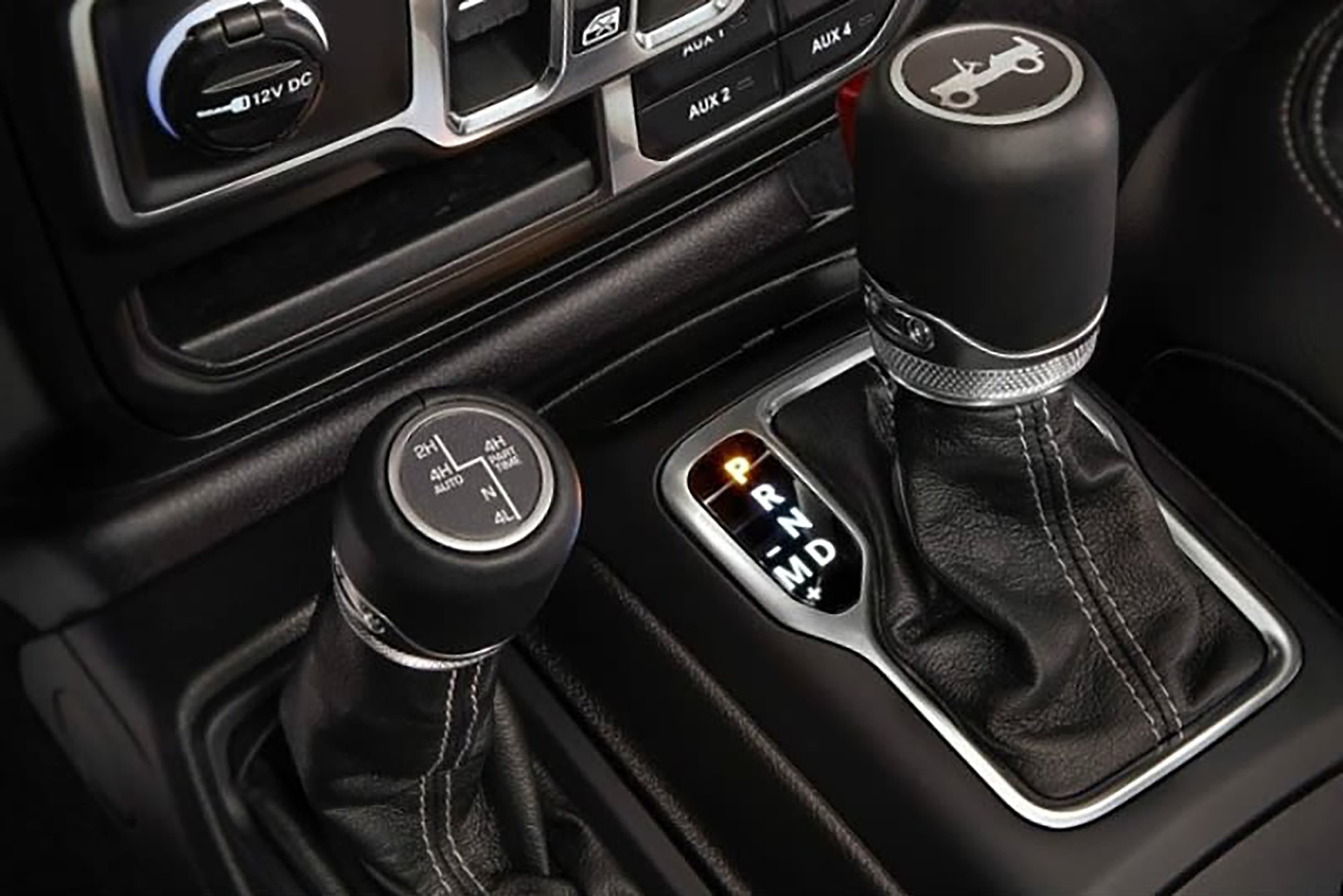
The 4WD lever is usually near the gear shifter on the center console. It is a small lever labeled for 2H, 4H, N, and 4L. Knowing its exact position helps you shift quickly when needed. Your Jeep’s owner manual can help if you have trouble finding it.
Step-by-step Shifting Process
First, slow your Jeep to under 55 mph. You can shift into 4WD High while moving.
Next, gently pull the 4WD lever straight back from 2H to 4H. You will feel a slight click when it engages.
Do not force the lever. If it resists, reduce speed and try again smoothly.
Once in 4H, your Jeep is ready for better traction on slippery or uneven surfaces.
Dashboard Indicator Confirmation
Check your dashboard for the 4WD High indicator light. It usually shows “4H” or a similar symbol.
The light confirms the system is active and working properly. If it does not appear, shift again or consult the manual.
Always verify the indicator before driving on rough or slippery terrain.
Engaging 4wd Low
Engaging 4WD Low in your Jeep Wrangler gives you extra power and control. It is perfect for tough, slow driving on rough terrain. This mode delivers maximum torque to the wheels. It helps your Jeep climb steep hills, crawl over rocks, or get through deep mud and sand.
Using 4WD Low is different from 4WD High. It reduces your speed but increases your vehicle’s pulling power. This makes tricky off-road situations easier and safer. Always make sure you know the right steps to engage 4WD Low to avoid damage to your Jeep.
When To Use 4wd Low
Use 4WD Low on steep, rocky, or uneven trails. It works well in deep mud, sand, or snow. This mode helps when you need slow, steady power. Avoid using 4WD Low on dry pavement. It can cause tire wear and damage your drivetrain. Only switch to 4WD Low when your Jeep is stopped or moving very slowly.
Shifting Procedure
First, bring your Jeep to a complete stop. Shift the transmission into neutral. Next, locate the 4WD shifter on the center console. Pull the shifter down and back to select 4WD Low. You should feel a gentle click as it engages. Wait for the dashboard light to confirm 4WD Low is active. Then, shift back into drive or first gear. Start driving slowly and feel the difference in power.
Common Mistakes To Avoid
Do not try to engage 4WD Low while driving fast. Avoid shifting directly from 4WD High to 4WD Low without stopping. Never use 4WD Low on dry or paved roads. Forgetting to shift into neutral before engaging 4WD Low can damage your Jeep. Always watch the dashboard indicator to confirm the mode is on. Avoid sudden acceleration or sharp turns in 4WD Low to maintain control.
Switching Back To 2wd
Switching back to 2WD in your Jeep Wrangler is simple and important. Using 2WD saves fuel and reduces wear on drivetrain parts. Make sure conditions are right before shifting. Follow the steps carefully to avoid damage and ensure smooth driving.
Safe Conditions For 2wd
Shift to 2WD only on dry, smooth roads. Avoid using 2WD on slippery or rough surfaces. Good traction is necessary for 2WD to work well. Using 2WD on ice or mud can cause loss of control. Check road conditions before switching.
How To Shift Out Of 4wd
Bring your Jeep to a stop or slow speed under 3 mph. Put the transmission in neutral. Move the 4WD lever from 4H or 4L back to 2H. Some models allow shifting at low speeds without stopping. Follow your Jeep’s manual for exact steps.
Indicator Light Check
Look at the dashboard to confirm the shift. The 2WD indicator light should turn on. If the 4WD light stays lit, the shift did not complete. Repeat the process carefully. Proper light indication means your Jeep is ready for 2WD driving.

Credit: www.wikihow.com
Tips For Off-road Driving
Off-road driving challenges your Jeep Wrangler and your skills. Proper use of 4WD helps you tackle rough paths safely and smoothly. Understanding how to shift into 4WD is just the start. Applying smart tips enhances your control and protects your vehicle.
These tips focus on keeping control, adjusting to terrain, and avoiding damage. They help you get the most from your Jeep’s capabilities.
Maintaining Control
Drive slowly and steadily to keep control on tough trails. Sudden moves can cause loss of traction or damage. Use smooth steering and gentle acceleration. Keep both hands on the wheel for better response. Watch your speed closely, especially on steep or loose surfaces. Use engine braking by downshifting to reduce speed safely. Avoid harsh braking that can cause skidding or wheel lock. Stay calm and focused; off-road driving needs patience and attention.
Using 4wd On Different Terrains
Choose 4WD high for dirt roads and light mud. It gives better traction without sacrificing speed. Shift into 4WD low for steep hills, deep mud, or rocky paths. This setting provides more power and control at low speeds. Avoid using 4WD low on dry pavement to prevent driveline damage. Always check the dashboard to confirm 4WD is engaged. Change between 2WD and 4WD as terrain changes to save fuel and reduce wear. Know your Jeep’s capabilities and adjust settings accordingly.
Avoiding Vehicle Damage
Scan the trail ahead for obstacles like rocks or deep ruts. Drive around hazards when possible. Use a spotter to guide you over tricky sections. Avoid spinning wheels, which can damage tires and drivetrain. Keep your tires properly inflated for better grip and protection. Clean mud and debris from the undercarriage after off-road trips. Inspect your Jeep for any damage or loose parts regularly. Protect your Jeep to ensure long-lasting performance and safety.
Troubleshooting 4wd Issues
Troubleshooting 4WD issues in your Jeep Wrangler can save time and keep you safe. Understanding common problems helps identify the root cause. Simple resets may solve many issues without needing tools. Knowing when to seek professional help prevents further damage. This section guides you through basic 4WD troubleshooting steps.
Common Problems
One common issue is the 4WD system not engaging. This might happen due to low battery power or faulty switches. Another problem is the 4WD indicator light flashing or not turning on. This can mean a sensor error or an electrical fault. Sometimes, the transfer case may get stuck, preventing gear shifts. Dirt or debris in the mechanism can cause this. Pay attention to unusual noises when shifting. Grinding sounds often point to mechanical wear.
Resetting The 4wd System
Resetting your Jeep’s 4WD system can clear minor errors. Start by turning off the engine and removing the key. Wait a few minutes before restarting the vehicle. This allows the system to reset its electronics. Next, shift the gear lever into neutral. Pull the 4WD lever to the desired mode, like 4H or 4L. Watch the dashboard indicator to confirm engagement. If problems persist, try cycling through all 4WD modes. This can help reset sensors and switches. Remember, always follow the owner’s manual instructions.
When To Seek Professional Help
Seek professional help if the 4WD system still fails after resetting. Persistent warning lights signal deeper electrical issues. Strange noises during operation may mean internal damage. Mechanical problems inside the transfer case need expert repair. Avoid driving in 4WD if the system is unreliable. This can cause further damage to your Jeep. A certified mechanic can diagnose and fix complex faults. Regular maintenance keeps your 4WD system running smoothly.
Frequently Asked Questions
Can I Shift Into 4wd While Moving A Jeep Wrangler?
You can shift into 4WD high while moving a Jeep Wrangler at low speeds. Always shift into neutral before engaging 4WD low. Check your dashboard indicator to confirm engagement.
How Do I Change My Jeep Wrangler To Four-wheel Drive In The Snow?
Stop your Jeep Wrangler and shift the transmission to neutral. Then, pull the 4WD lever down to engage four-wheel drive high. Confirm engagement by checking the dashboard indicator before driving in snow.
Is The Jeep 4×4 Always On?
No, Jeep 4×4 is not always on. Drivers must manually engage four-wheel drive modes as needed.
Can You Switch To 4h While Driving A Jeep?
Yes, you can switch to 4H while driving a Jeep, but only at low speeds. Shift to neutral first, then engage 4H. Always check your dashboard indicator to confirm engagement. Avoid shifting at high speeds to prevent drivetrain damage.
How Do I Shift My Jeep Wrangler Into 4wd?
To shift into 4WD, first stop your Jeep or slow down under 5 mph. Move the transfer case lever from 2H to 4H or 4L as needed. Ensure the dashboard 4WD light turns on to confirm engagement.
Conclusion
Shifting your Jeep Wrangler into 4WD is simple with practice. Always stop or slow down before changing modes. Check your dashboard to confirm 4WD is active. Use 4WD high for slippery roads and 4WD low for tough off-road conditions. Knowing these steps helps keep you safe and improves driving control.
Take your time learning, and your Jeep will handle any terrain better.


