
How Many Miles is Too Much for a Jeep Wrangler? Expert Guide
 Reading Time: 7 minutes
 How Many Miles Is Too Much For A Jeep Wrangler
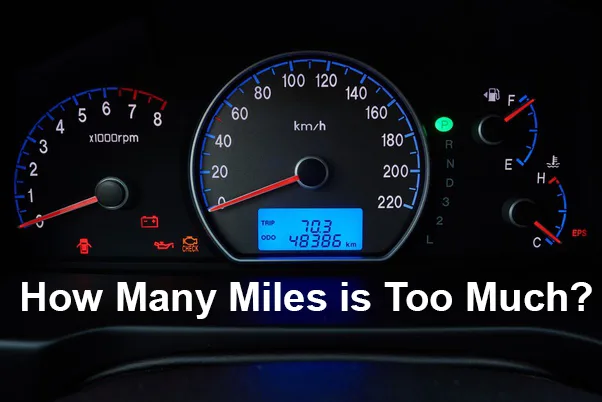
Buying or keeping a used Jeep Wrangler often brings up one big question: How many miles is too much? Some people see 100,000 miles and worry the Jeep is near the end of its life. Others find Wranglers with 200,000 miles and still trust them for daily driving or off-roading. So, what’s the real answer? Understanding mileage limits, what affects a Wrangler’s lifespan, and how to judge a high-mileage Jeep is key for making a smart decision.
If you’re looking at a used Jeep Wrangler or wondering how long your own Jeep might last, this guide will help you see the full picture. We’ll break down important facts, myths, and expert advice. You’ll also find real-world examples, data tables, and practical tips that many beginners often overlook.
What Does “too Many Miles” Mean For A Jeep Wrangler?
The idea of “too many miles” is not simple. For some cars, 100,000 miles is a lot, but for a Wrangler, the story is different. The Jeep Wrangler is famous for being tough, with many lasting beyond 200,000 miles if cared for well. But mileage alone doesn’t tell the whole story.
Key things to consider:
- How the Jeep was used
- Maintenance records
- Driving conditions (city, highway, off-road)
- Model year and generation
- Engine type
A Wrangler with 150,000 miles can be in better shape than one with 80,000 miles if it was well maintained and not abused off-road.
Average Lifespan Of A Jeep Wrangler
Most Jeep Wranglers, when maintained properly, can last between 200,000 and 400,000 miles. There are many stories of Wranglers running well past 300,000 miles.
Here’s a look at how Wrangler mileage stacks up against other popular SUVs:
| Vehicle Model | Average Lifespan (Miles) | Known High Mileage |
|---|---|---|
| Jeep Wrangler | 200,000 – 400,000 | Over 400,000 |
| Toyota 4Runner | 250,000 – 300,000 | Over 400,000 |
| Ford Bronco | 150,000 – 250,000 | Over 300,000 |
| Chevrolet Tahoe | 200,000 – 250,000 | Over 300,000 |
Insight: Jeep Wranglers often match or beat other SUVs for total miles, but only if they are kept in good condition.

Credit: www.reddit.com
How Mileage Affects Jeep Wrangler Value
High mileage does lower the value of most cars, including Wranglers. But because of their strong reputation, Wranglers keep value better than many rivals.
Let’s look at how the average price drops as the mileage increases (real-world data based on 2023-2024 used market listings):
| Mileage | Average Price (USD) | Condition |
|---|---|---|
| 0-30,000 miles | $38,000 | Like New |
| 30,001-60,000 miles | $31,000 | Very Good |
| 60,001-100,000 miles | $25,000 | Good |
| 100,001-150,000 miles | $18,000 | Fair |
| 150,001+ miles | $13,000 | Budget Buy |
Non-obvious tip: Low mileage Wranglers can cost much more, but high-mileage, well-maintained ones often provide the best value for money.
Key Factors That Affect Wrangler Mileage Limits
1. Maintenance History
A Jeep with regular oil changes, fluid checks, and repairs will last much longer. Always check for detailed service records before buying a high-mileage Wrangler.
2. Driving Habits
Highway miles are less damaging than city driving or constant off-roading. A Wrangler that spent most of its life on highways may have less wear even with high mileage.
3. Off-road Use
Off-roading puts stress on the suspension, frame, and drivetrain. If a Wrangler was heavily used off-road, expect more wear at lower miles.
4. Model Year And Generation
Some Wrangler generations are known for better reliability. For example, the TJ (1997-2006) and JK (2007-2018) models are famous for long life with proper care.
5. Engine And Transmission Type
- The 4.0L straight-six engine in older Wranglers is known to be nearly bulletproof.
- Modern V6 engines are also strong, but turbocharged or diesel engines may have different maintenance needs.
6. Rust And Frame Condition
Rust is a hidden killer for Wranglers, especially in areas with snow or salt. Even a low-mileage Jeep with frame rust can be a bad buy.
Pro tip: Always check under the Jeep for frame and body rust before considering any high-mileage model.
Credit: www.simivalleychryslerdodgejeepram.com
How To Judge A High-mileage Jeep Wrangler
Buying a Wrangler with over 100,000 miles isn’t always risky if you check the right things. Here’s how to be smart:
- Ask for service records.
- Inspect for leaks (oil, coolant, transmission fluid).
- Check the frame for rust—especially near the suspension mounts and underbody.
- Test drive it. Listen for odd sounds, vibrations, and check if the transmission shifts smoothly.
- Look for worn-out parts—like bushings, ball joints, and brakes.
- Use a trusted mechanic to inspect the vehicle before buying.
Beginner mistake: Focusing only on the odometer and not the real-world condition of the Jeep.
What Mileage Is Considered “too High”?
While there’s no magic number, here’s a rough breakdown of what different mileages usually mean for a Jeep Wrangler:
- Under 100,000 miles: Usually considered low to moderate. Minimal major repairs if maintained.
- 100,000 to 150,000 miles: Middle-aged for a Wrangler. May need some replacements (like water pump, suspension parts).
- 150,000 to 200,000 miles: High mileage, but not rare. Check for engine or transmission work in the history.
- 200,000+ miles: Only buy if the maintenance is excellent and price is low. Expect to invest in repairs over time.
Important insight: Many Wranglers keep going well after 200,000 miles, but only if rust and neglect haven’t set in.
Real-world Examples Of High Mileage Wranglers
Many Jeep owners share stories about their Wranglers passing 250,000 or even 400,000 miles. For example, it’s common to see forum posts or YouTube videos showing original engines still running strong at high mileage.
Case Study:
- A 2001 TJ Wrangler with the 4.0L engine reached 315,000 miles with regular oil changes, new water pump at 220,000 miles, and a clutch replacement at 170,000 miles. No major engine rebuild was needed.
- A 2014 JK Wrangler with over 180,000 miles was used for daily driving and occasional off-roading. The biggest repairs were replacing the alternator and suspension parts.
Key lesson: Maintenance and how the Wrangler was used matter more than just the odometer reading.
Common Repairs Needed At High Mileage
As Wranglers age and miles climb, certain repairs become more likely. Here’s what to expect after 100,000 miles:
- Suspension parts (shocks, bushings, ball joints)
- Water pump and radiator
- U-joints and driveshafts
- Clutch (manual models)
- Exhaust components
- Brakes and rotors
- Oil leaks from gaskets
These repairs are normal and expected for a high-mileage Jeep. Parts are usually easy to find and not too costly.

Credit: www.reddit.com
Is High Mileage Always A Bad Thing?
Not always. Here are two non-obvious insights:
- High-mileage Wranglers often had steady, long trips (like highway commutes), which is easier on the engine and transmission than lots of short city drives.
- Older Wranglers with high miles may have had major parts already replaced (engine, transmission, axles), which can make them a better buy than a lower-mileage Jeep that might need those repairs soon.
It’s better to buy a Wrangler with high miles and a clear repair history than a lower-mileage one that was neglected.
Tips For Extending Your Jeep Wrangler’s Life
If you already own a Wrangler or plan to buy one, you can help it last longer by:
- Doing oil changes every 3,000-5,000 miles
- Checking and replacing fluids (coolant, transmission, differential)
- Washing the undercarriage to prevent rust, especially after winter or off-roading
- Fixing small problems early before they become big repairs
- Using quality parts for repairs and upgrades
How To Decide If A High-mileage Wrangler Is Right For You
Ask yourself these questions:
- Do you need a Wrangler for daily driving or just as a weekend/off-road vehicle?
- Are you comfortable doing some repairs or maintenance yourself?
- Does the Jeep’s history show regular care?
- Is the price low enough to budget for expected repairs?
If you answer yes to most, a high-mileage Wrangler can be a smart, affordable choice. If you want a worry-free, daily driver and don’t like surprise repairs, lower mileage is safer.
When To Walk Away
Even the best Wranglers are not worth buying if you find:
- Severe frame rust
- No service records
- Major engine or transmission problems
- Suspiciously low price (may hide bigger issues)
In these cases, it’s better to look for another Wrangler.
Frequently Asked Questions
How Long Do Jeep Wranglers Usually Last?
With proper maintenance, Jeep Wranglers commonly last 200,000 to 400,000 miles. Some have gone even farther, but regular care is key.
Is 150,000 Miles Too Much For A Used Wrangler?
Not always. 150,000 miles is high, but with a good maintenance history and no major rust or damage, a Wrangler can still have many miles left.
What Are The Most Reliable Jeep Wrangler Engines?
The 4.0L straight-six (found in older Wranglers) and the 3.6L Pentastar V6 (in newer models) are known for reliability. Proper maintenance is important for any engine.
Should I Avoid Wranglers Used For Off-roading?
Not necessarily. Many Wranglers are built for off-roading, but check for signs of damage or heavy wear. Ask for service records and get an inspection.
Where Can I Learn More About Jeep Wrangler Reliability And Maintenance?
You can find more information on the official Jeep Wrangler page or trusted automotive resources.
If you’re careful and know what to look for, a high-mileage Jeep Wrangler can offer years of adventure and solid value. Focus on condition, not just the numbers on the odometer, and you’ll make a smart choice for your next ride.