How Long Will a Jeep Cherokee Last? Expert Insights & Tips
 Reading Time: 7 minutes
 How Long Will A Jeep Cherokee Last
Wondering how long your Jeep Cherokee will last? You’re not alone. Many drivers ask this question before buying or keeping their Cherokee. The answer isn’t simple—because it depends on how you drive, maintain, and treat your car. But with real data, expert advice, and some practical tips, you can get a clear idea of what to expect from a Jeep Cherokee’s lifespan.
Jeep Cherokee is known for its mix of comfort and off-road ability. It’s a popular choice for families and adventure lovers. But how many miles can you really expect before major problems start? Let’s break it down so you can make the best decision for your needs.
Average Lifespan Of A Jeep Cherokee
Most Jeep Cherokees last between 150,000 and 250,000 miles. This means if you drive around 15,000 miles per year (the US average), a Cherokee can last between 10 and 17 years. Some owners even report their Cherokees reaching over 300,000 miles with great care.
Here’s a quick look at the average lifespan based on mileage:
| Mileage Range | Expected Years of Use | Condition |
|---|---|---|
| 0–100,000 | 0–7 years | Like new to good |
| 100,001–200,000 | 7–13 years | Good to fair |
| 200,001–250,000 | 13–17 years | Fair to worn |
| 250,001+ | 17+ years | Worn, needs major repairs |
While these numbers show what’s possible, not every Jeep Cherokee will reach the high end. Regular maintenance, driving style, and even climate all play a part.
Key Factors That Affect Cherokee Lifespan
The way you use and care for your Jeep Cherokee can add years—or take them away. Let’s look at the main things that impact how long your Cherokee lasts.
Maintenance Habits
Regular maintenance is the most important factor. Simple things like oil changes, brake checks, and fluid replacements keep your Cherokee running smoothly. Skipping services or using cheap parts can cause bigger problems later. Owners who follow the maintenance schedule usually get the most miles from their Jeep.
Driving Conditions
City driving with lots of stops, heavy loads, or off-road trips can wear out parts faster. On the other hand, mostly highway driving is easier on the engine and transmission. If you use your Cherokee for towing or off-roading, expect more wear and tear.
Model Year And Engine Type
Not all Cherokees are the same. Some years and engines have a better track record for reliability. For example, the 2014–2016 models had more reports of transmission issues. The 3.2L V6 engine is often seen as more reliable than the 2.4L Tigershark engine.
Climate And Location
Living in a place with lots of snow, salt, or humidity can cause rust and wear out parts faster. Garaging your Cherokee and washing it often can help protect it.
Owner Habits
Gentle driving, avoiding hard accelerations, and fixing problems early help a lot. Ignoring warning lights or putting off repairs can shorten your Jeep’s life.

Credit: www.reddit.com
Common Problems That Limit Lifespan
Even with good care, some issues can appear in Jeep Cherokees as they age. Here are the most common ones:
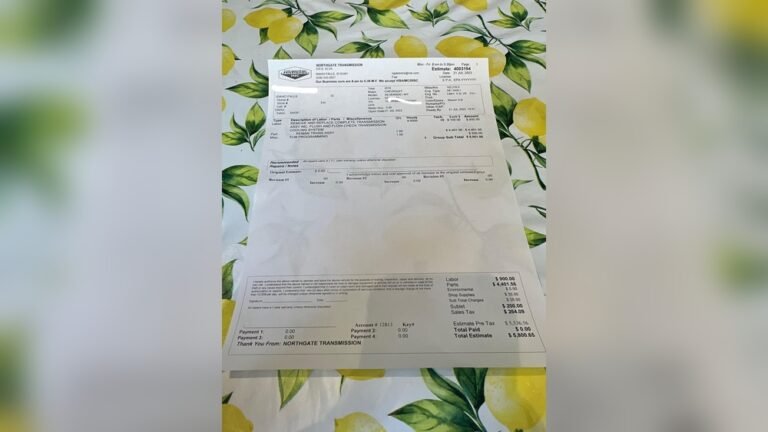
- Transmission Failure: Older Cherokees, especially 2014–2016, sometimes have transmission problems around 70,000–120,000 miles.
- Engine Issues: The 2.4L engine may burn oil or develop leaks as it gets older.
- Electrical Problems: Faulty sensors, window regulators, or dashboard warning lights are reported by some owners after 100,000 miles.
- Suspension Wear: Ball joints, bushings, and shocks can wear out, especially if used off-road.
- Cooling System Leaks: Radiator and water pump leaks sometimes occur after 100,000 miles.
- Rust: In snowy areas, rust on undercarriage and doors can become a problem as the vehicle ages.
Not every Cherokee will have these problems, but knowing about them helps you catch issues early and avoid costly repairs.
How To Make Your Jeep Cherokee Last Longer
You can take steps to reach the high end of the Cherokee lifespan range. Here are some proven tips:
- Follow the Service Schedule: Stick to oil changes, transmission service, and brake checks as recommended in your owner’s manual.
- Use Quality Parts and Fluids: Don’t cut corners with cheap oil or replacement parts.
- Fix Small Problems Early: Address warning lights, noises, or leaks before they become serious.
- Drive Smoothly: Avoid sudden starts and stops. Gentle driving reduces stress on all parts.
- Protect Against Rust: Wash the undercarriage in winter and consider rust-proofing treatments if you live in a snowy area.
- Store in a Garage: Keeping your Jeep out of the sun and weather prevents paint and interior wear.
- Rotate Tires and Check Alignment: This reduces uneven tire wear and protects the suspension.
- Check Fluid Levels Often: Low oil, coolant, or transmission fluid can cause big damage if not corrected.
- Listen and Watch for Changes: Any new sound, smell, or dashboard warning could signal a problem.
- Keep Service Records: Tracking maintenance helps you spot patterns and increases resale value.
Many Jeep owners miss the importance of fluid changes beyond just oil. For example, transmission fluid and differential fluid are often forgotten, but they make a big difference in long-term reliability.
Real Owner Experiences
To get a real sense of Cherokee durability, it helps to look at what current and past owners report. Many Jeep forums and review sites share stories of Cherokees reaching over 200,000 miles. For example, on sites like CarComplaints and Edmunds, owners highlight both positive and negative experiences.
Some owners say their Cherokees required major repairs before 120,000 miles, often due to neglected maintenance or unlucky parts. Others, especially those who followed the service schedule, report 250,000 miles or more with only minor repairs.
Here’s a comparison of what owners typically experience at different mileage ranges:
| Mileage | Common Repairs | Estimated Cost (USD) |
|---|---|---|
| 0–100,000 | Oil changes, tires, brakes | $1,500–$3,000 |
| 100,001–200,000 | Suspension parts, sensors, battery, cooling system | $2,000–$5,000 |
| 200,001–250,000 | Transmission, engine gaskets, major electrical repairs | $3,500–$8,000 |
This table shows that while costs rise with age, most issues appear gradually. Planning for repairs helps you avoid surprises.
Comparison: Jeep Cherokee Vs. Other Suvs
To understand if the Cherokee is a long-lasting SUV, it helps to compare it with similar models.
| Model | Average Lifespan (Miles) | Known Issues |
|---|---|---|
| Jeep Cherokee | 150,000–250,000 | Transmission, electronics |
| Toyota RAV4 | 200,000–300,000 | Minor engine leaks |
| Honda CR-V | 200,000–300,000 | AC issues, rust |
| Ford Escape | 150,000–250,000 | Transmission, electrical |
| Subaru Forester | 200,000–250,000 | Head gasket, CVT |
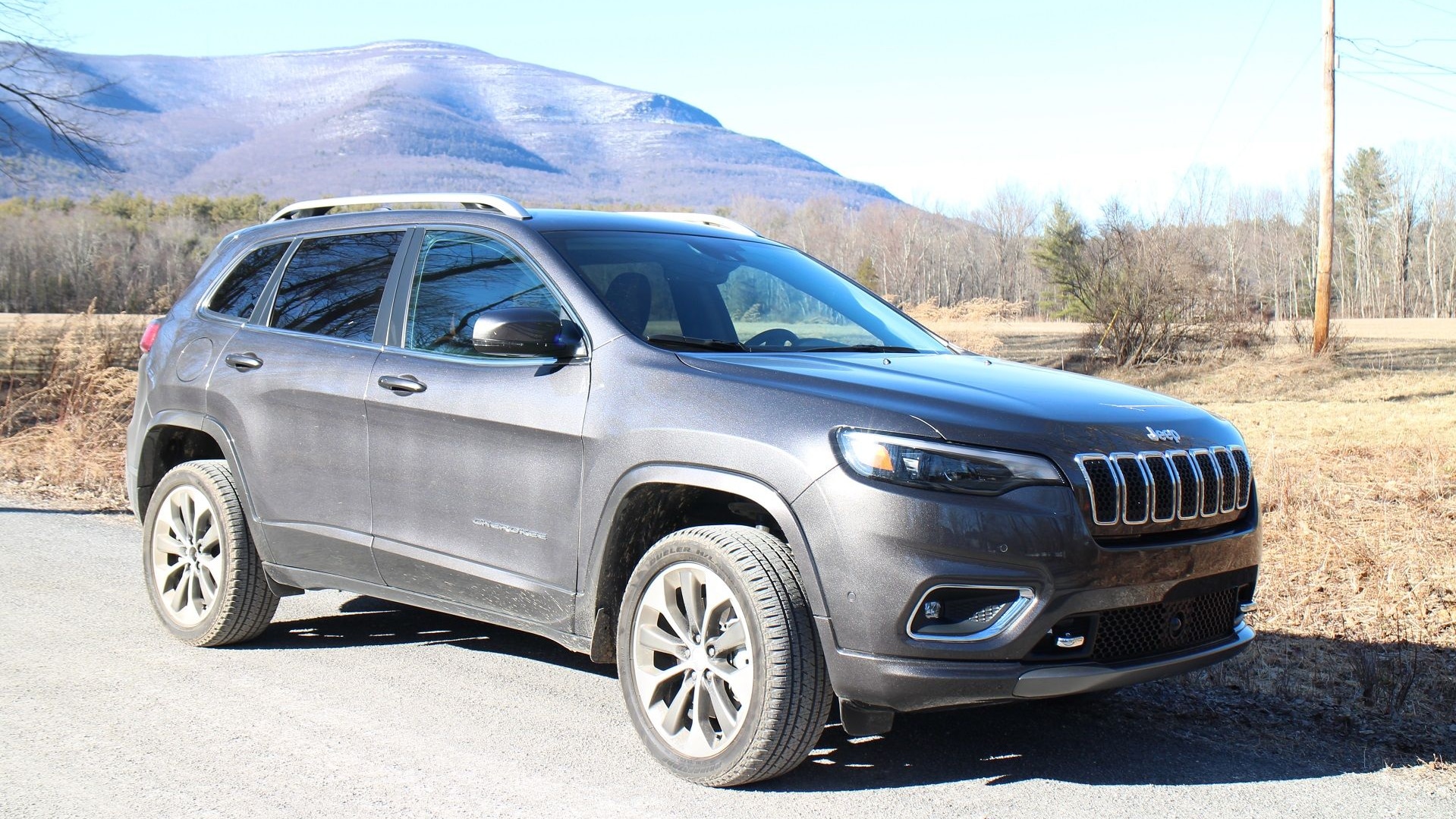
As you see, the Cherokee’s expected lifespan is competitive, but some Japanese SUVs are known for slightly higher averages. Still, with proper care, a Cherokee can easily reach or even exceed the 200,000-mile mark.
Credit: www.greencarreports.com
Is A High-mileage Jeep Cherokee Worth Buying?
Buying a used Cherokee with over 100,000 miles can be a good deal if the car was well maintained. Ask for service records and have a mechanic inspect the vehicle before you buy. Look out for signs of leaks, rust, and strange noises.
A high-mileage Cherokee can still be reliable, especially if you’re ready for some repairs and the price is right. Budget for possible expenses like suspension or transmission work within the next 50,000 miles.
Non-obvious Insights For Beginners
Many first-time Jeep owners focus only on the engine and skip checking the transfer case and differentials. These parts are important for four-wheel drive models and need their own fluid changes. Skipping them can lead to costly repairs.
Another point often missed is the importance of software updates. Modern Cherokees use advanced electronics for transmission and safety systems. Dealers sometimes update software during service visits. Staying up to date can prevent strange behavior and warning lights.
When To Say Goodbye To Your Cherokee
No car lasts forever. If your Cherokee needs repairs that cost more than its value, or if safety is affected, it’s time to move on. Examples include:
- Transmission or engine repair costs over $4,000 on a 15-year-old car
- Rust that threatens the structure or safety
- Repeated electrical problems that can’t be fixed
Selling or trading in at this point is usually the best choice.
Frequently Asked Questions
How Many Miles Can A Jeep Cherokee Last With Regular Maintenance?
With regular maintenance, a Jeep Cherokee can last between 200,000 and 250,000 miles. Some owners reach even higher mileage, but this depends on gentle driving, quick repairs, and following the service schedule closely.
What Year Jeep Cherokee Is Most Reliable?
Many experts and owners consider the 2017 and newer models more reliable, as Jeep fixed earlier transmission issues by then. However, any year can be reliable with good care.
Is It Expensive To Maintain A Jeep Cherokee As It Gets Older?
Maintenance costs rise as any car ages. Expect to pay more for suspension, cooling, and electrical repairs after 100,000 miles. Setting aside $500–$1,000 per year for repairs is a smart plan for older Cherokees.
What Is The Main Reason Jeep Cherokees Fail Early?
The most common causes are neglected maintenance, especially skipped fluid changes, and ignoring warning signs. Transmission and engine problems are most likely if the car is not serviced on time.
Where Can I Find More Details And Owner Reviews?
For in-depth reliability data and owner experiences, check sites like Consumer Reports. They offer detailed reviews, repair histories, and expert insights.
Owning a Jeep Cherokee can be a rewarding long-term experience if you take care of your vehicle. With the right habits, you can enjoy many miles of reliable driving, whether you stick to the city streets or explore the wild outdoors.
Credit: www.firkinscj.com