Why Won’t My Jeep Start? Top Causes and Quick Fixes
 Reading Time: 7 minutes
 When your Jeep refuses to start, it can feel frustrating, confusing, and sometimes a bit scary. You turn the key or push the button, expecting that familiar engine sound—but instead, you get nothing or maybe just a click. This problem is more common than you might think, and it doesn’t always mean you need an expensive repair.
Many starting problems have simple causes you can check and fix yourself. In this guide, you’ll learn the most common reasons why your Jeep might not start, how to troubleshoot the issue, and when it’s best to call for professional help.
By the end, you’ll have a clear understanding of what to do next—and maybe even save some money.
Common Causes Why Your Jeep Won’t Start
Several things can prevent your Jeep from starting. Some are quick fixes, while others may need a mechanic. Let’s look at the main reasons, one by one.
1. Dead Or Weak Battery
A dead battery is the most common reason a Jeep won’t start. Car batteries usually last between 3 to 5 years. Extreme weather, leaving lights on, or a charging system problem can drain the battery quickly.
Signs of a dead battery:
- No dashboard lights or dim lights
- Clicking sound when you turn the key
- Slow or no engine turn-over
Quick tip: Try jump-starting your Jeep. If it starts, the battery was likely the problem.
2. Faulty Starter Motor
The starter motor is responsible for turning the engine over. If it fails, you might hear a single click or nothing at all when you try to start the car.
Signs:
- Loud click or no sound when turning the key
- Lights and electronics work, but engine does not crank
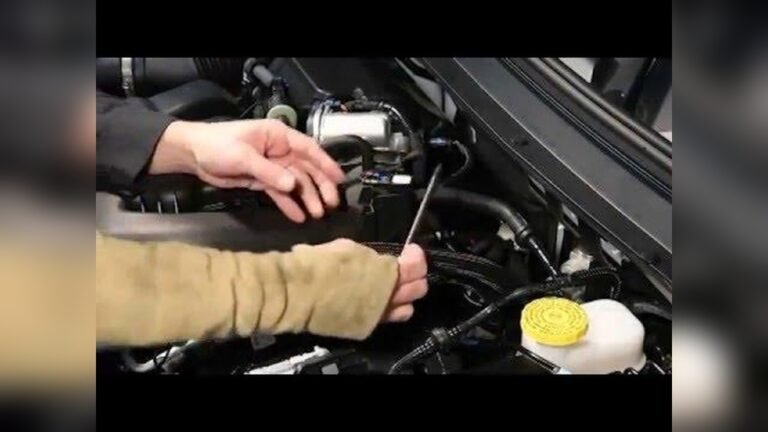
Beginner insight: Sometimes, tapping the starter gently with a tool while someone turns the key can help it work one last time. This is a temporary fix.
3. Bad Ignition Switch
The ignition switch sends power from the battery to the starter and other systems. If it’s faulty, your Jeep may not start even if the battery and starter are fine.
Symptoms:
- No response when key is turned
- Dashboard lights do not come on
Non-obvious tip: If accessories (radio, lights) work in “on” position but the engine won’t start, the ignition switch could be the issue.
4. Fuel System Problems
Your engine needs fuel to run. Problems like a clogged fuel filter, bad fuel pump, or empty gas tank can prevent starting.
Signs:
- Engine cranks but does not start
- Sputtering sound
- Smell of gasoline
Practical check: Listen for a quiet humming sound from the fuel tank area when you turn the key to “on.” No sound could mean a bad fuel pump.
5. Faulty Alternator
The alternator charges your battery while the engine runs. If it fails, the battery drains and you won’t be able to start your Jeep after a short drive.
Signs:
- Battery warning light on dashboard
- Dim headlights or electronics acting strange
- Jeep dies shortly after starting
6. Bad Key Fob Or Immobilizer
Modern Jeeps use a key fob with a chip that “talks” to the vehicle. If the chip or immobilizer system has a problem, the Jeep won’t recognize the key.
Clues:
- Engine does not turn over or cranks but won’t start
- Security light flashing on dashboard
Extra insight: Try your spare key. If it works, your main key fob may have a dead battery or internal fault.
7. Blown Fuses Or Relays
A fuse or relay acts like a safety switch for your Jeep’s electrical systems. If one blows, the starter, fuel pump, or ignition may not get power.
Simple check: Find your Jeep’s fuse box (usually under the hood or dashboard). Look for any fuses labeled “START,” “IGN,” or “FUEL.” Replace if blown.
8. Corroded Or Loose Battery Connections
Even a good battery won’t help if the cables are dirty or loose. Corrosion looks like a white or green powder on the battery terminals.
Quick fix: Clean the battery terminals with a wire brush and tighten the connections.
9. Engine Sensors Malfunction
Modern Jeeps have many sensors that help the engine start and run smoothly. If a critical sensor fails, like the crankshaft or camshaft position sensor, the Jeep may not start.
Warning: This problem often triggers a “check engine” light.
Non-obvious insight: Some sensor failures can cause intermittent starting issues, making the problem seem random.
10. Faulty Spark Plugs Or Ignition Coils
The spark plugs ignite the fuel in your engine. Bad plugs or coils can prevent the engine from firing up.
Signs:
- Engine turns over but will not start
- Rough idle or misfires when it does run
How To Diagnose Starting Problems
Understanding what’s wrong is the first step. Here’s a simple approach to help you figure out why your Jeep won’t start.
Step-by-step Troubleshooting
- Check for lights: Turn the key to the “on” position. Do dashboard lights come on?
- Listen for sounds: Do you hear a click, multiple clicks, or nothing at all?
- Test the battery: Try jump-starting. If it starts, the battery is likely the issue.
- Look for security lights: Is a key or lock symbol flashing? Could be a key fob/immobilizer problem.
- Try the spare key: If your Jeep starts, the original key fob may be bad.
- Smell for fuel: Strong gasoline smell can mean a fuel system problem.
- Check fuses: Swap out any related to starting or fuel systems.
What Each Symptom Suggests
Here’s a quick reference to link symptoms and possible causes:
| Symptom | Possible Cause |
|---|---|
| Clicking sound, no start | Weak battery or bad starter |
| No sound, no lights | Dead battery or bad connections |
| Cranks but won’t start | Fuel, spark, or key fob issue |
| Security light flashing | Key fob or immobilizer issue |
| Battery dies quickly after starting | Bad alternator |

Credit: www.turnersvillejeep.com
Cost Comparison: Common Jeep Starting Issues
Understanding the likely costs can help you plan your next steps. Here’s a rough comparison of typical repair prices in the US (2023–2024 data):
| Problem | DIY Cost (USD) | Mechanic Cost (USD) |
|---|---|---|
| Battery Replacement | $100–$200 | $180–$350 |
| Starter Motor | $120–$250 | $300–$600 |
| Ignition Switch | $60–$150 | $150–$350 |
| Fuel Pump | $120–$350 | $400–$900 |
| Key Fob (Programming) | $30–$80 | $90–$200 |
*Prices vary by Jeep model and location. Always check with your local mechanic. *
Jeep Model Differences: Does It Matter?
Not all Jeeps are the same. Older models have fewer electronics, while new ones use advanced computers and anti-theft systems. Here’s a simple comparison:
| Model Year | Common Issues | Diagnosis Difficulty |
|---|---|---|
| 1990s-early 2000s | Battery, starter, ignition switch | Easy |
| Mid 2000s–2015 | Electrical, key fob, sensors | Medium |
| 2016–2024 | Key fob, immobilizer, sensors, modules | Hard |
Beginner tip: If you have a newer Jeep, a professional scan tool may be needed to diagnose issues, especially for key fob and sensor problems.

Credit: www.youtube.com
What To Do Next: Fixes And When To Get Help
Simple Fixes You Can Try
- Jump-start the battery if you suspect it’s weak.
- Clean battery terminals and make sure cables are tight.
- Switch to your spare key fob if you suspect an anti-theft problem.
- Check and replace blown fuses related to the starter or fuel system.
When To Call A Mechanic
- Jeep still won’t start after jump-starting and basic checks.
- You hear grinding or strange noises from the engine.
- Security or check engine lights stay on.
- You suspect a fuel pump, sensor, or computer issue.
Extra insight: Modern Jeeps often need computer diagnostics. Mechanics use special tools to read error codes. Trying to guess or replace parts without these tools can waste time and money.
Preventing Future Starting Problems
A little prevention goes a long way:
- Replace the battery every 3–5 years, even if it seems fine.
- Keep battery terminals clean and free of corrosion.
- Don’t ignore warning lights—they are early signs something is wrong.
- Have the charging system checked at every oil change.
- Avoid using too many electronics (like lights and music) when the engine is off.
Non-obvious tip: In very cold or hot weather, batteries can die unexpectedly. Carrying a set of jumper cables or a portable jump starter is a smart idea.
Credit: customtruckconcepts.com
Frequently Asked Questions
Why Does My Jeep Click But Not Start?
A single or rapid clicking sound usually means a weak battery or bad starter motor. Try jump-starting first. If that doesn’t work, the starter may need attention.
My Jeep Cranks But Doesn’t Start. What Does That Mean?
If the engine turns over but doesn’t fire up, it’s likely a fuel, spark, or key fob/immobilizer issue. Check for fuel delivery, try your spare key, or look for a flashing security light.
Can A Bad Alternator Cause My Jeep Not To Start?
Yes. A bad alternator can drain the battery even if it was fully charged. If your Jeep dies soon after starting or electronics go dim, have the alternator checked.
How Can I Tell If My Jeep Key Fob Is The Problem?
If a spare key fob starts the Jeep, your main fob is the issue. Also, if the security light flashes or the Jeep won’t recognize the key, the fob battery or chip may be dead.
Where Can I Find More Information About Jeep Starting Problems?
You can find detailed technical guides and community advice on the official Jeep website.
When your Jeep won’t start, it’s often something simple. With a little patience and these beginner-friendly steps, you’ll know what to check—and when to ask for help. A working Jeep means more adventures ahead.