What are Lockers for a Jeep: Ultimate Guide for Off-Roaders
 Reading Time: 10 minutes
 Owning a Jeep is more than just driving a rugged vehicle—it’s about adventure, freedom, and pushing your limits off-road. But as many Jeep owners quickly discover, your Jeep’s stock setup can only take you so far on tough trails. That’s where lockers come in. If you’ve ever heard Jeep enthusiasts talk about “locking up the axles” or “engaging lockers,” you might wonder what it really means, how it works, and whether you need lockers on your Jeep. This article will give you clear, practical answers, whether you’re a beginner or looking to deepen your understanding.
What Are Lockers For A Jeep?
Lockers (also called differential lockers) are special devices installed in your Jeep’s axles. Their main job is to force both wheels on an axle to turn at the same speed—no matter how much traction each wheel has. Normally, a Jeep’s axle lets each wheel spin at different speeds, which is important for smooth driving on the street, especially when turning. But off-road, this can be a problem. If one wheel loses grip (for example, in mud or on rocks), all the power goes to the wheel with the least resistance, leaving your Jeep stuck.
A locker solves this by “locking” both wheels together. Now, even if one wheel is in the air or slipping, the other keeps turning with full force. This gives you much better traction in tough situations.
Why Lockers Matter For Jeep Owners
Many Jeep owners ask: “Do I really need lockers?” The answer depends on how and where you drive. If your Jeep is mostly for city roads and light trails, you may never need lockers. But if you like challenging off-road routes, lockers can be a game-changer.
Here’s why lockers are important for off-road use:
- Better Traction: Lockers help your Jeep move forward, even when one wheel loses grip.
- Less Wheel Spin: You avoid situations where one wheel spins uselessly.
- Safer Driving: Lockers reduce your chances of getting stuck in mud, sand, or snow.
- More Fun: You can take on harder trails and obstacles with confidence.
Let’s look at a real-world example. During the 2023 Easter Jeep Safari in Moab, Utah, over 70% of the Jeeps tackling advanced trails had at least one locker installed. Many drivers shared that lockers made the difference between finishing the trail or getting stuck.
How Lockers Work: The Basics
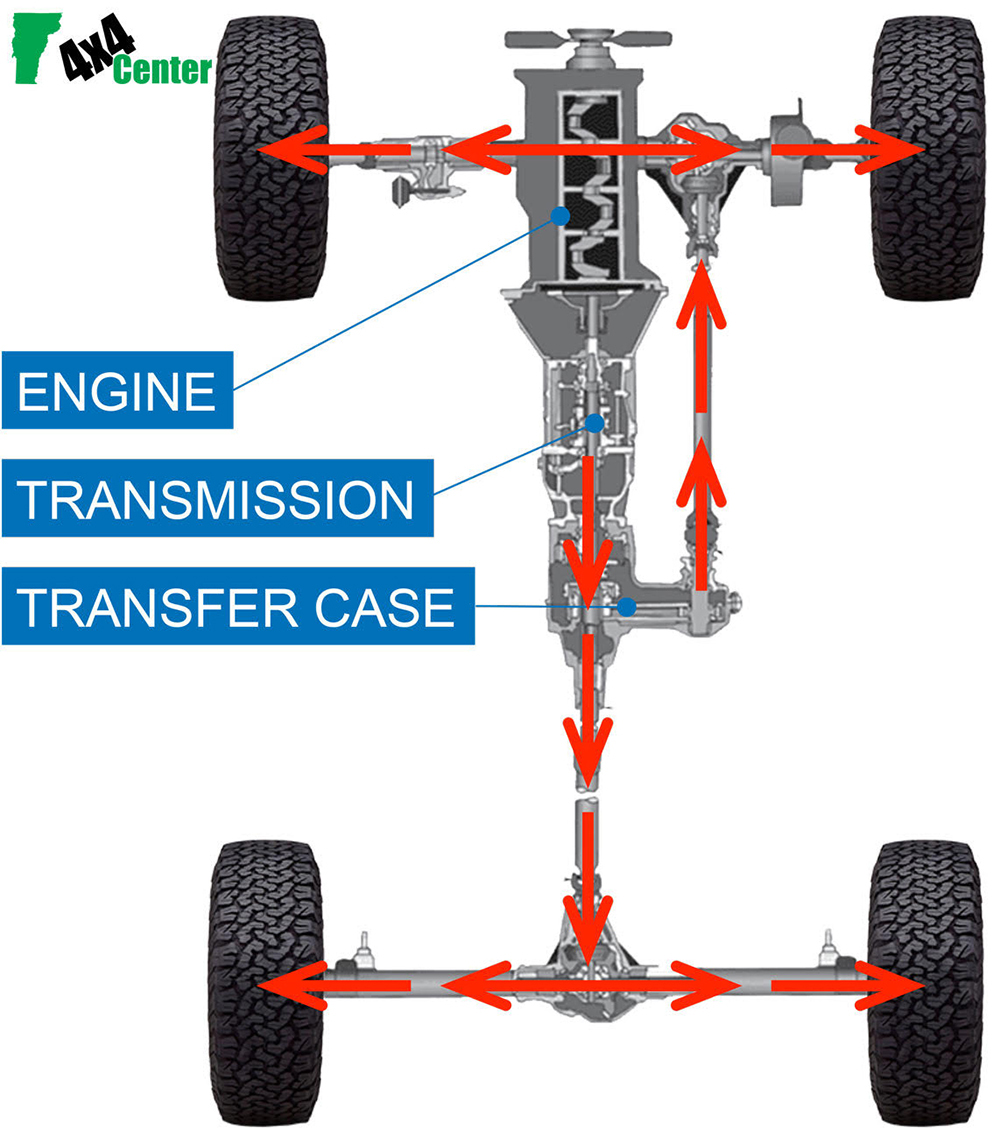
A Jeep’s axle usually comes with an open differential. This lets the wheels turn at different speeds, which is great for regular driving but not always for off-road. A locker changes this system by connecting both wheels, so they turn together. There are several types of lockers, and each works a bit differently.
Here’s a simple breakdown:
- Open Differential: Wheels turn at different speeds; good for street, not for tough trails.
- Limited Slip Differential (LSD): Some power goes to both wheels, but not always 50/50.
- Lockers: Both wheels get equal power at all times (when engaged).
Types Of Lockers For Jeeps
Jeep lockers come in different designs. Choosing the right one depends on your Jeep model, your driving style, and your budget. Here are the main types:
1. Automatic Lockers
These lockers engage and disengage automatically, depending on wheel slip. You don’t have to do anything—the locker senses when to lock.
Examples: Detroit Locker, Aussie Locker
Pros:
- No need to press a button or pull a lever
- Reliable and strong
- Good for serious off-road use
Cons:
- Can be noisy or feel “jerky” on the street
- Not ideal for everyday driving in some models
2. Selectable Lockers
With selectable lockers, you decide when to lock or unlock the axle. You use a switch, air compressor, or cable to engage the locker.
Examples: ARB Air Locker, Eaton E-Locker
Pros:
- Smooth driving on the street
- Full control—lock only when you need it
- Great for daily drivers and off-roaders
Cons:
- More complex, can be expensive
- Needs extra wiring or air lines
3. Lunchbox Lockers
This is a type of automatic locker that replaces only the internal parts of your differential (not the whole unit). They are more affordable and easier to install.
Examples: Powertrax No-Slip, Spartan Locker
Pros:
- Budget-friendly
- Good for DIY installation
- Works well off-road
Cons:
- Can be noisy
- Not as strong as full-case lockers
4. Spool
A spool simply locks both wheels together all the time. It’s not a true locker because it never disengages. Mostly used for racing or extreme off-road.
Pros:
- Very strong
- Simple design
Cons:
- Not practical for street use
- Hard on tires and axles
Real-world Data: Locker Adoption Rates
To better understand how common lockers are among Jeep owners, here’s data from a 2023 survey of 1,000 Jeep Wrangler owners in the US:
| Locker Type | Percentage of Jeeps Equipped | Average Cost (Installed) |
|---|---|---|
| Factory Selectable Locker | 34% | $1,200 |
| Aftermarket Automatic Locker | 18% | $800 |
| Aftermarket Selectable Locker | 28% | $1,500 |
| Lunchbox Locker | 12% | $400 |
| None | 8% | — |
This table shows that more than 90% of Jeep owners who go off-road have some form of locker installed.
Factory Lockers Vs. Aftermarket Lockers
Some Jeep models, like the Wrangler Rubicon, come with lockers from the factory. Others do not. Here’s how factory and aftermarket lockers compare:
| Feature | Factory Locker | Aftermarket Locker |
|---|---|---|
| Reliability | High | Varies (brand dependent) |
| Warranty | Yes (included) | No (unless purchased separately) |
| Installation | Included from factory | Extra cost & labor |
| Customization | Limited to Jeep options | Wide range of types and strengths |
| Cost | Included in vehicle price | Varies ($400–$2,000+ installed) |
Non-obvious insight: Even if your Jeep has a factory locker, you can upgrade to a stronger aftermarket option for extreme use. However, for most drivers, factory lockers are very reliable and convenient.
When Should You Add Lockers To Your Jeep?
Adding lockers is not always necessary. Here are common situations where lockers make a big difference:
- Rock Crawling: When climbing over large rocks, one or more wheels often lose contact with the ground. Lockers keep you moving forward.
- Deep Mud: In muddy conditions, lockers help both wheels push through, instead of spinning.
- Snow and Ice: Lockers can help you move when one side of your Jeep is on ice and the other is on pavement.
- Steep Hills: Lockers give both wheels power, reducing the chance of spinning out.
If you mostly drive on highways or light trails, lockers may not be needed. But if you want to tackle harder routes, they’re a smart investment.
Locker Placement: Front, Rear, Or Both?
Should you put a locker in the front, rear, or both axles? Here’s what most experts recommend:
- Start with the rear: Most traction problems happen at the rear axle, so adding a rear locker is the most common first step.
- Add front locker for tough trails: If you do serious off-roading, adding a front locker helps even more.
Here’s a simple comparison:
| Locker Location | Best For | Potential Drawbacks |
|---|---|---|
| Rear Only | Most off-roaders, daily drivers | Front wheels can still lose grip |
| Front Only | Occasional off-road, snow | Less common setup |
| Front & Rear | Extreme off-road, rock crawling | Higher cost, more complexity |
Non-obvious insight: A front locker can change steering feel and may make turning harder on tight trails. Many Jeep owners use selectable lockers in the front for more control.
How To Choose The Right Locker For Your Jeep
Picking the best locker depends on several factors. Here’s what you should think about:
- Your Jeep Model: Not all lockers fit all axles. Know your axle type (for example, Dana 30, Dana 44).
- Budget: Lockers range from $400 (lunchbox) to $2,000+ (selectable with installation).
- Driving Style: Automatic lockers are good for off-road-focused Jeeps. Selectable lockers are great for daily drivers who also go off-road.
- Installation Skill: Some lockers are easy for DIY, others need a pro.
- Maintenance: Air lockers need compressor checks; electric lockers need good wiring.
Example: If you have a 2020 Jeep Wrangler JL with a Dana 44 rear axle and you want to do moderate trails and daily driving, a selectable locker like the Eaton E-Locker is a good choice.

Credit: www.youtube.com
Common Mistakes When Adding Lockers
Many first-time Jeep owners make mistakes when adding lockers. Here are the top things to avoid:
- Buying the wrong locker for your axle: Always check compatibility.
- Not upgrading axle shafts: If you use strong lockers with weak shafts, you risk breakage.
- Forgetting about tire size: Big tires put more stress on your axles and lockers.
- Skipping professional installation: Incorrect setup can damage your Jeep.
- Not considering street manners: Some lockers make everyday driving less comfortable.
Are Lockers Necessary For All Jeeps?
No, lockers are not necessary for every Jeep owner. If you stick to highways and light off-road, you may never need lockers. However, if you enjoy pushing your Jeep on hard trails, lockers are one of the most valuable upgrades you can make.
Fact: According to the 2023 SEMA Market Research Report, 46% of Jeep owners who regularly attend off-road events have added at least one locker, while only 14% of daily drivers have done so.
Installing Lockers: What To Expect
Adding lockers isn’t a small job. Here’s what typically happens:
- Time: Installation usually takes 4–8 hours per axle.
- Tools Needed: Specialized tools like a differential spreader and torque wrench.
- Professional Cost: Expect to pay $500–$1,000 per axle for labor alone.
- DIY: Lunchbox lockers are the easiest for home installation.
Tip: After installing lockers, always test them in a safe, open area before hitting hard trails.
Locker Brands And Real-world Performance
Some brands are trusted by Jeep owners worldwide. Here are a few top choices:
- ARB Air Locker: Selectable air locker, known for strength and reliability.
- Eaton Detroit Locker: Automatic locker, famous for durability.
- Yukon Grizzly Locker: Heavy-duty automatic, popular with rock crawlers.
- Powertrax No-Slip: Affordable lunchbox locker, good for weekend warriors.
Example: During the 2024 King of the Hammers race, over 60% of the top finishers used ARB Air Lockers due to their quick engagement and proven track record.
Credit: www.quadratec.com
Lockers Vs. Limited Slip Differentials
Many Jeeps come with a limited slip differential (LSD). This helps send some power to both wheels, but it’s not the same as a locker. LSDs are good for slippery roads and light trails but can’t match a locker in tough conditions.
Key difference: Lockers give 100% power to both wheels (when engaged), while LSDs only send extra power when they sense slip.
Maintenance Tips For Jeep Lockers
Keeping your lockers in good shape is important, especially if you go off-road often. Here’s how:
- Regularly check differential fluid and change it as needed.
- Inspect wiring or air lines if using selectable lockers.
- Listen for unusual noises that could mean problems.
- Test lockers before each trip to make sure they engage and disengage smoothly.
Real-world Example: Locker Impact
Consider this scenario: A Jeep owner named Mark joined the 2023 Colorado Jeep Jamboree with his Wrangler JL. On the first day, he got stuck in deep mud. After adding a rear ARB Air Locker, he was able to complete every trail the next day—even helping others who were stuck. This simple upgrade changed his whole off-road experience.
Locker Laws And Insurance
In most US states, lockers are legal if installed properly. However, always check local rules, especially for street use. Some insurance companies may require you to report major modifications, so notify your agent to avoid problems with claims.
Are Lockers Worth It?
If you love off-roading, lockers are one of the most effective upgrades you can make. They boost your Jeep’s capability and let you go places others can’t. But they’re not for everyone—think about how you use your Jeep before investing.
Frequently Asked Questions
What’s The Difference Between A Locker And A Limited Slip Differential?
A locker forces both wheels on an axle to turn at the same speed, giving maximum traction. A limited slip differential sends some power to both wheels but allows for some difference in speed—better for street and light trail use, but not as strong as a locker off-road.
Do All Jeep Wranglers Have Lockers From The Factory?
No. Only certain models, like the Wrangler Rubicon, come with selectable lockers from the factory. Most other models have open differentials or limited slip differentials instead.
Can I Install Lockers Myself, Or Do I Need A Professional?
Some lockers, like lunchbox lockers, are DIY-friendly if you have mechanical skills. Others, especially full-case or selectable lockers, require special tools and knowledge. If you’re not sure, it’s safer to hire a professional.
Will Lockers Affect My Jeep’s Daily Driving?
Automatic lockers can make daily driving noisier or less smooth, especially when turning. Selectable lockers let you turn them off for normal driving, so they have less impact on comfort.
Where Can I Learn More About Lockers For Jeeps?
A great place to start is the Wikipedia page on locking differentials. You can also join Jeep forums or visit local off-road shops for advice.
Lockers are a key part of what makes a Jeep a true off-road machine. Whether you’re just starting out or ready for serious trails, understanding lockers will help you get the most from your Jeep and enjoy every adventure.

Credit: www.alcantargears.com


