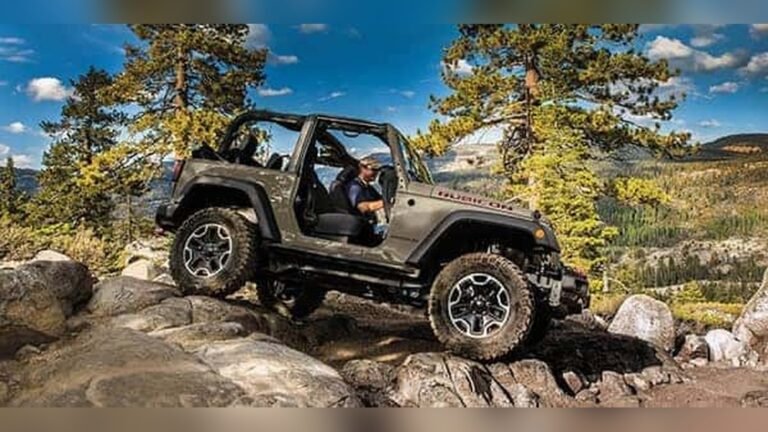
Are Jeep Wranglers Good in Snow: Ultimate Winter Driving Guide
 Reading Time: 10 minutes
 When winter hits and snow starts piling up, you might be wondering if your Jeep Wrangler is up for the challenge. You want a vehicle that won’t leave you stuck or struggling when the roads get slippery and the snow gets deep.
So, are Jeep Wranglers really good in snow? If you’ve been curious about how they handle icy streets, deep drifts, or those tricky winter conditions, you’re in the right place. Keep reading to find out why Jeep Wranglers are often praised for their winter performance—and what you should know to make the most of your ride when the temperature drops.
Jeep Wrangler Snow Capabilities
The Jeep Wrangler offers strong snow capabilities that many drivers trust. Its design helps it manage snowy roads and tough winter weather. The vehicle’s features make it a solid choice for snowy conditions.
Understanding the specific snow features of the Jeep Wrangler shows why it performs well in winter. These features include the four-wheel drive system, high ground clearance, and traction controls.
Four-wheel Drive Benefits
The Jeep Wrangler comes with a reliable four-wheel drive system. This system sends power to all wheels, improving grip on slippery surfaces. It helps the vehicle move through snow without getting stuck. Four-wheel drive also aids in climbing icy hills safely.
Ground Clearance Advantages
The Wrangler has high ground clearance compared to many SUVs. This feature helps it drive over deep snow without the body getting caught. Higher clearance reduces the chance of snow buildup under the vehicle. It makes driving in fresh, thick snow much easier.
Traction And Stability Control
Traction and stability control systems help keep the Jeep steady on snow and ice. These systems adjust power and brakes to avoid slipping. They improve driver control during turns and sudden stops. This technology adds safety on unpredictable winter roads.

Credit: www.youtube.com
Tire Choices For Snow
Tire choice plays a big role in how well a Jeep Wrangler handles snow. The right tires improve traction, control, and safety on slippery roads. Wranglers come with tires made for off-road, but snow demands a more specialized approach.
Choosing the right tires helps the Wrangler grip icy patches and deep snow better. It also reduces the chance of sliding or getting stuck. Understanding the differences between tire types and how to maintain them can boost your winter driving confidence.
All-terrain Vs Winter Tires
All-terrain tires offer versatility for various conditions, including light snow. They have a tread pattern designed to handle mud, rocks, and some snow. However, their performance in heavy snow or ice is limited.
Winter tires are built specifically for cold weather and snow. They use softer rubber and deeper tread patterns. This gives better grip on ice and packed snow. Winter tires improve braking and steering in freezing temperatures.
Tire Pressure Tips
Maintaining correct tire pressure is crucial for snow driving. Cold weather lowers tire pressure naturally. Check your tires often during winter and inflate them to the recommended level.
Proper tire pressure ensures the tires contact the road fully. This enhances stability and traction. Avoid overinflating, which reduces grip. Underinflated tires can cause uneven wear and poor handling.
Upgrading For Better Grip
Upgrading to specialized winter tires is the best way to boost snow performance. Look for tires with the mountain snowflake symbol, meaning they meet snow traction standards.
Consider adding tire chains for extra grip in deep snow or icy roads. Chains provide extra traction but may reduce speed and increase noise. Always follow local laws about tire chains.
Upgrading your tires prepares your Jeep Wrangler to face tough winter conditions confidently. It helps you stay safer and enjoy better control on snowy roads.
Handling Snow And Ice
Handling snow and ice is critical for safe winter driving. Jeep Wranglers offer unique features that affect their behavior in these slippery conditions. Understanding how they perform on packed snow, face challenges on ice, and how drivers can improve safety is essential.
Performance On Packed Snow
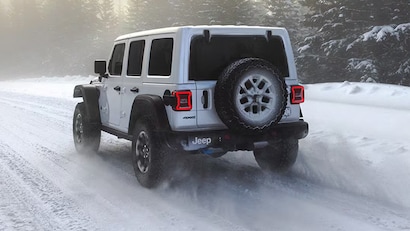
Jeep Wranglers excel on packed snow. Their four-wheel drive system provides strong traction. High ground clearance helps avoid getting stuck in deeper snow. Tires with aggressive tread patterns grip better on snow-covered roads. The Wrangler’s weight distribution also aids stability. These traits make it a reliable choice for snowy routes.
Challenges On Ice
Ice presents tougher challenges for Jeep Wranglers. Their solid axles and stiff suspension can reduce tire contact with slick surfaces. This leads to less grip and higher chances of sliding. The Wrangler’s shorter wheelbase can make it prone to oversteer on ice. Without proper tires, controlling the vehicle becomes very difficult. Drivers must be extra cautious during icy conditions.
Driver Techniques For Safety
Safe driving on snow and ice requires skill and patience. Drivers should reduce speed and increase following distance. Smooth steering and gentle braking prevent loss of control. Using low gear helps maintain steady traction on slopes. Equipping the Jeep with winter tires greatly improves grip. Practicing these techniques ensures safer winter journeys in a Wrangler.
Credit: www.autonationchryslerdodgejeepramkaty.com
Comparing Jeep Wrangler To Other Suvs
Comparing the Jeep Wrangler to other SUVs highlights some clear differences. The Wrangler is built for tough terrain, but how does it handle snow compared to its rivals? This section breaks down key factors like snow performance, fuel efficiency, and comfort. It helps you see what makes the Wrangler stand out or fall short in winter conditions.
Off-road Vs On-road Snow Performance
Jeep Wranglers excel in off-road snow thanks to their high ground clearance. They can drive through deep snow without getting stuck easily. Four-wheel drive and solid axles give better traction on slippery surfaces. Other SUVs may offer all-wheel drive, but many lack the Wrangler’s rugged setup for harsh snow.
On paved roads with snow or ice, the Wrangler can feel less stable. Its stiff suspension and higher center of gravity may lead to more body roll. Some SUVs have smoother rides and advanced stability controls that help on icy streets. The Wrangler’s off-road focus means it trades some on-road comfort for snow toughness.
Fuel Efficiency In Winter
Winter driving lowers fuel efficiency for all vehicles. The Jeep Wrangler uses more fuel than many SUVs during cold months. Its boxy shape and heavier parts reduce aerodynamic efficiency. Other SUVs with smaller engines or hybrid options often get better gas mileage in snow.
The Wrangler’s strong engine and four-wheel drive add weight and use more fuel. This can mean more stops at the pump in winter trips. Some drivers accept this trade-off for the Wrangler’s snow performance and off-road ability.
Comfort And Interior Features
Jeep Wranglers have a rugged interior that suits outdoor use. Winter gear fits well, but the cabin can feel less refined than many SUVs. Other SUVs offer warmer cabins with more insulation and smoother rides on snowy roads.
Features like heated seats and steering wheels are available in Wranglers. Still, ride noise and road vibrations may be higher. Many family SUVs focus on quiet, cozy interiors that help during long winter drives. The Wrangler’s simple design favors durability over luxury.
Modifications For Winter Driving
Preparing your Jeep Wrangler for winter driving improves safety and performance. Cold, icy roads and deep snow demand specific upgrades. These modifications help your vehicle handle tough winter conditions better. They boost traction, visibility, and ground clearance. Here are key changes to consider for winter driving in your Jeep Wrangler.
Adding Snow Chains
Snow chains increase traction on icy and snowy roads. They wrap around your tires to grip slippery surfaces. Chains are especially useful on steep hills or packed snow. Installing them is simple and effective. Use chains that fit your Wrangler’s tire size. Always drive slowly and carefully with chains on. Remove them when driving on clear roads to avoid damage.
Lift Kits And Suspension
Lift kits raise your Jeep’s height from the ground. This extra clearance helps avoid getting stuck in deep snow. It also protects your undercarriage from ice and debris. Better suspension improves ride comfort on rough winter roads. Choose a lift kit designed for off-road and winter use. Proper suspension tuning enhances control and stability on slippery surfaces.
Lighting And Visibility Enhancements
Winter means shorter days and poor visibility. Bright, clear lighting helps you see and be seen. Upgrade your Jeep’s headlights with LED or HID bulbs for stronger light. Add fog lights to cut through snow and fog. Consider installing a light bar for extra brightness in remote areas. Clean your lights regularly to maintain maximum effectiveness.
Common Issues In Winter
Jeep Wranglers handle snow well, but winter brings some common issues. Cold weather and road salt can cause problems. Understanding these helps keep your Jeep safe and reliable during winter months.
Jeep Death Shake Explained
The “Jeep Death Shake” is a strong vibration felt in the steering wheel. It usually happens after hitting a bump or pothole. This shake can worsen in cold weather due to worn suspension parts. Tires also play a role; uneven or damaged tires increase shaking. Regular checks of suspension and tires help reduce this issue.
Battery And Electrical Concerns
Cold weather strains the battery and electrical system. Jeep Wranglers may face difficulty starting in freezing temperatures. Battery power drops as the cold reduces chemical activity inside. Electrical components, like lights and sensors, can also malfunction from moisture and cold. Testing the battery and keeping terminals clean improves winter reliability.
Preventing Rust And Corrosion
Winter salt and moisture cause rust on Jeep Wranglers. Rust affects the body, frame, and undercarriage. It can lead to costly repairs if ignored. Washing your Jeep regularly removes salt buildup. Applying a protective coating slows rust formation. Inspecting for rust spots early allows quick treatment and better winter protection.
Owner Experiences And Reviews
Many Jeep Wrangler owners share their real-world snow driving experiences online. Their stories reveal how the vehicle performs in cold, icy, and snowy conditions. These firsthand accounts help potential buyers understand what to expect during winter months. Owners often describe the Wrangler’s strengths and challenges, giving a balanced view of its capabilities in snow.
Stories From Snowy Regions
Wrangler owners in places like Colorado and northern states report good performance on snowy roads. They praise the high ground clearance and four-wheel drive system. These features help the Jeep navigate deep snow and slippery surfaces. Some owners mention how their Wrangler easily handled mountain passes after heavy snowfall. Others say it gave them confidence during winter storms. However, a few note that icy patches require extra caution. Overall, many agree that the Wrangler is reliable in snowy climates.
User Tips For Winter Prep
Experienced drivers suggest fitting winter tires for better grip. All-terrain tires may not perform as well on ice or packed snow. Installing a block heater can improve cold starts in very low temperatures. Some owners recommend adding weight in the rear for better traction. Regular checks of fluids and battery health help prevent breakdowns. Using proper snow gear like traction mats also adds safety. These small steps make winter driving smoother and safer in a Wrangler.
Long-term Winter Reliability
Many Jeep owners use their Wranglers for several winters without major issues. Routine maintenance keeps the vehicle ready for cold weather challenges. Some report minor wear on suspension parts after repeated snow driving. Rust prevention is important since road salt can cause corrosion. Owners advise washing the undercarriage regularly during winter. The durable design and solid build support long-term use in harsh conditions. Wranglers often hold up well over time in snowy environments with proper care.

Credit: www.youtube.com
Frequently Asked Questions
Which Jeep Is Best For Snow?
The Jeep Wrangler is best for snow due to its high ground clearance, four-wheel drive, and durable off-road design. It handles deep snow and icy roads effectively.
How Much Snow Can A Jeep Wrangler Drive In?
A Jeep Wrangler can drive through snow depths up to 20-30 inches with proper tires and cautious driving. Its high ground clearance and 4WD improve performance in deep snow.
What Is The Jeep Death Shake?
The Jeep Death Shake is a violent front-end vibration occurring at certain speeds. It often signals worn suspension or steering parts needing immediate attention.
What Year To Avoid A Jeep Wrangler?
Avoid 2012-2013 Jeep Wranglers due to transmission and electrical issues. Also, 2007 models may have excessive rust problems.
Are Jeep Wranglers Good For Driving In Snow?
Jeep Wranglers have four-wheel drive and good ground clearance. They handle snow better than many SUVs. Proper tires improve their performance in snowy conditions.
Conclusion
Jeep Wranglers handle snow quite well with the right tires. Their high ground clearance helps in deep snow. Four-wheel drive adds traction on slippery roads. Drivers still need to be careful and drive slowly. Wranglers offer good control but no vehicle is perfect in ice.
Overall, they make a solid choice for snowy conditions.