
Jeep Grand Cherokee Ticking Noise When Idling: Causes & Fixes
 Reading Time: 9 minutes
Is your Jeep Grand Cherokee making a ticking noise when idling? That steady tapping sound can be more than just annoying—it could signal a problem that needs your attention.
Ignoring it might lead to costly repairs down the road, but don’t worry. You’ll discover the common reasons behind that ticking noise and how to identify what’s really going on under your hood. Whether it’s a simple fix or something more serious, understanding the cause will help you protect your vehicle and avoid unexpected breakdowns.
Keep reading to learn what’s ticking in your Jeep and how to get it running smoothly again.
Common Causes
Ticking noises while your Jeep Grand Cherokee idles can signal various issues. Identifying the cause helps prevent serious engine damage. The most common causes involve the engine’s lubrication, ignition, exhaust, and valve components. Each problem creates a distinct ticking sound that can guide your diagnosis.
Understanding these causes is key to timely repairs and a smooth-running vehicle.
Low Oil Level Or Pressure
Low oil level or pressure often causes ticking noises. Oil lubricates engine parts and reduces friction. Without enough oil, metal parts rub and create noise. This ticking usually comes from the valve train or lifters. Checking and maintaining oil levels can stop the ticking and protect your engine.
Ignition System Issues
Faulty spark plugs or ignition coils can cause ticking sounds. Poor sparks may make the engine misfire or run rough. This misfiring can create a rhythmic ticking noise during idling. Inspecting and replacing worn ignition parts often solves the problem quickly.
Exhaust Leaks
Small leaks in the exhaust manifold or gasket cause ticking sounds. Exhaust gases escape through cracks or holes, producing a tapping noise. These leaks may worsen and reduce engine performance. Fixing exhaust leaks restores proper engine function and stops ticking noises.
Faulty Rocker Arms And Lifters
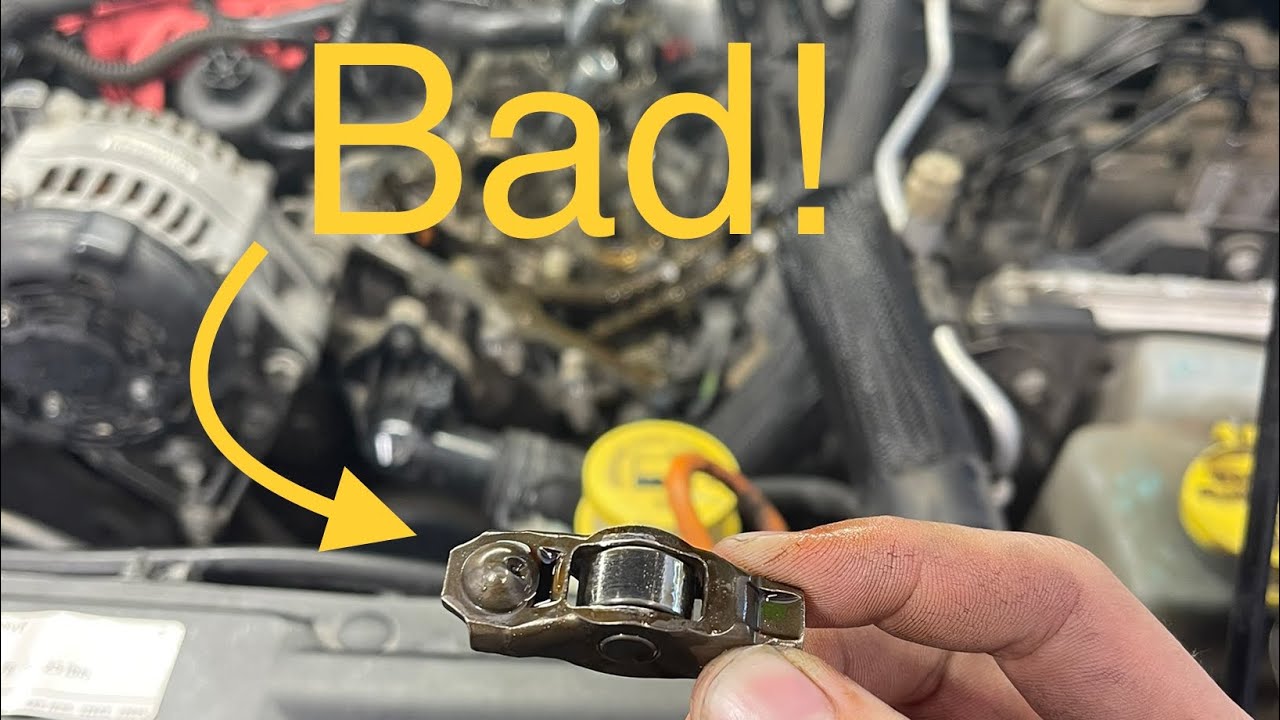
Worn rocker arms and lifters cause ticking at idle. These parts control valve movement and need proper lubrication. When damaged, they produce a continuous clicking or tapping sound. Replacing faulty lifters and rocker arms prevents further engine damage and quiets the noise.
Symptoms To Watch
Noticing a ticking noise while your Jeep Grand Cherokee is idling can be worrying. Recognizing the exact symptoms helps identify the problem early. Listening closely to the type of noise and how it changes is key. These signs guide you toward the right solution before damage worsens.
Rhythmic Tapping Sounds
Rhythmic tapping usually means a smaller engine part is affected. It often comes from lifters or rocker arms that are not moving smoothly. This tapping repeats in a steady pattern, matching the engine’s timing. The sound is light but clear, especially when the engine is warm and idling.
Deep Knocking Noises
Deep knocking signals a more serious issue inside the engine. It may involve worn bearings or damaged pistons. This noise is louder and less regular than tapping. It often feels like a heavy knock, which can get worse over time if ignored.
Changes With Engine Rpm
Ticking noises that change with engine speed reveal important clues. If the noise grows louder as RPM rises, it may point to valve train problems. Sometimes, the noise disappears or changes when you rev the engine. Watching these changes helps mechanics find the exact cause quickly.
Diagnosing The Noise
Diagnosing the ticking noise in your Jeep Grand Cherokee while idling is the first step to fix the problem. This noise often signals an issue that needs attention. Pinpointing the exact cause helps avoid costly repairs later. Start by narrowing down where the noise comes from. Then check related parts that might cause the ticking. Understanding these basics can save time and money.
Identifying The Sound Source
Listen carefully to the noise. Try to tell if it comes from the engine bay or underneath the vehicle. A light tapping noise may come from the valve train. A louder knocking sound might be from the exhaust or a loose component. Use a mechanic’s stethoscope or a long screwdriver to help locate the noise. This step guides the next checks and avoids guesswork.
Checking Oil Condition And Level
Low oil level or dirty oil often causes ticking sounds. Check the oil dipstick to see the level. Make sure the engine is cool before doing this. If the oil looks dark or gritty, it needs changing. Fresh oil lubricates engine parts and stops ticking. Regular oil changes keep the engine running smooth and quiet.
Inspecting The Exhaust System
A small leak in the exhaust manifold or pipes can make a ticking noise. Look for signs of soot or cracks near the exhaust joints. Use a flashlight to see hard-to-reach areas. A leak here can cause noise and reduce engine efficiency. Fixing exhaust leaks also lowers harmful emissions from the vehicle.
Professional Diagnostic Tools
Mechanics use special tools to find engine noises. An OBD-II scanner reads error codes from the Jeep’s computer. A mechanic’s stethoscope pinpoints the noise source more accurately. Sometimes, a smoke machine checks for exhaust leaks. These tools speed up diagnosis and improve repair accuracy. Visiting a professional can save time and provide peace of mind.
Common Repairs
Jeep Grand Cherokee ticking noise when idling often needs specific repairs. Identifying the exact cause helps fix the problem fast. Some parts wear out or get damaged, causing the ticking sound. Mechanics focus on the engine’s valve train, camshaft, exhaust, and ignition system. These areas commonly cause ticking noises and need repair or replacement.
Replacing Lifters And Rocker Arms
Lifters and rocker arms control valve movement. Worn lifters or rocker arms cause ticking at idle. Replacing these parts stops the noise and restores smooth engine function. This repair improves oil flow and valve timing. It prevents further engine damage.
Camshaft Inspection And Replacement
The camshaft controls valve opening and closing. A damaged camshaft causes ticking and poor engine performance. Inspection shows wear or damage on the cam lobes. Replacing a bad camshaft removes the ticking noise and protects other engine parts. This repair ensures proper engine timing.
Fixing Exhaust Leaks
Exhaust leaks create ticking noises near the engine. Cracks or holes in the exhaust manifold cause this issue. Fixing leaks stops the noise and improves engine efficiency. Repair includes replacing gaskets or welding cracks. This also reduces harmful emissions from the vehicle.
Ignition System Repair
A faulty ignition system can cause ticking sounds. Worn spark plugs, bad wires, or failing coils lead to irregular firing. Repairing ignition parts restores smooth engine running and stops ticking. This fix improves fuel efficiency and engine power.
Cost Estimates
Repair costs for a ticking noise in a Jeep Grand Cherokee vary widely. Expenses depend on the exact cause of the noise and parts needed. Understanding typical costs helps prepare for the repair process.
Some repairs are simple and affordable. Others require more parts and time, increasing the total price. Labor charges also affect the final bill.
Lifter And Rocker Arm Replacement
Replacing lifters and rocker arms usually costs between $300 and $700. These parts control valve movement and can wear out over time. Parts alone may cost $150 to $300. Labor adds to this depending on shop rates. This fix often stops ticking noises caused by valve issues.
Camshaft Replacement Costs
Camshaft problems can cause ticking noises and need a more expensive repair. Camshaft replacement costs range from $1,000 to $2,500. The part itself costs $400 to $900. Labor is high since this repair takes several hours. Damage to lifters or rocker arms may increase the price.
Labor And Inspection Fees
Mechanics charge $80 to $150 per hour for labor. An inspection to diagnose ticking noise may cost $50 to $100. This fee may be waived if you proceed with repairs at the same shop. Accurate diagnosis prevents unnecessary repairs and extra costs.
Credit: www.youtube.com
Driving Considerations
When your Jeep Grand Cherokee makes a ticking noise while idling, driving safely is crucial. The sound can signal issues that affect your vehicle’s performance. Understanding the risks helps you decide the best action.
Ignoring the noise could lead to bigger problems. Pay attention to how the vehicle behaves and any changes in the sound.
Risks Of Ignoring The Noise
Ignoring the ticking noise can cause serious damage. Small engine problems may grow worse over time. A ticking sound often means parts inside the engine are not working right. This can reduce fuel efficiency and increase emissions. You might face costly repairs later. The engine might fail unexpectedly, leaving you stranded.
Potential Engine Damage
The ticking noise may come from low oil pressure or worn lifters. Both can damage engine components. Valves and camshafts wear out faster without proper lubrication. A bad lifter can harm the camshaft and catalytic converter. These parts are expensive to fix or replace. Early repair can save money and prevent breakdowns.
When To Stop Driving
Stop driving if the ticking noise gets louder or changes. If the engine misfires or stalls, turn off the vehicle. Overheating or smoke from the hood is a clear sign to stop. Continuing to drive risks severe engine damage. Have a mechanic inspect your Jeep as soon as possible. Safe driving means addressing engine noises promptly.
Preventive Maintenance
Preventive maintenance helps keep your Jeep Grand Cherokee running smoothly. It stops small issues from turning into costly repairs. Ticking noises at idle often result from neglected maintenance. Staying on top of routine care reduces engine noise and improves performance. Simple steps protect your engine and extend its life.
Regular Oil Changes
Changing oil regularly keeps engine parts lubricated. Clean oil reduces friction that causes ticking sounds. Old or low oil leads to poor lubrication and wear. Follow the manufacturer’s oil change schedule closely. Use the recommended oil type and quality for best results.
Routine Engine Inspections
Regular inspections catch problems early before they worsen. Mechanics check for loose parts, leaks, and worn components. Inspections include checking valve lifters and rocker arms. Identifying ticking noise sources early saves money on repairs. Schedule engine checks during oil changes or service visits.
Timely Repairs To Avoid Damage
Fixing issues promptly prevents engine damage and costly fixes. Ignoring ticking noises can harm the camshaft and lifters. Replacing worn parts early keeps the engine quiet and healthy. Delays can lead to more severe problems and breakdowns. Always address engine noises quickly to protect your Jeep.

Credit: www.reddit.com

Credit: www.youtube.com
Frequently Asked Questions
Why Does My Jeep Grand Cherokee Make A Ticking Sound When Idling?
Your Jeep Grand Cherokee may tick at idle due to low oil pressure, worn lifters, faulty rocker arms, or an exhaust leak. Address these promptly to avoid engine damage. Have a certified mechanic inspect to diagnose and fix the issue accurately.
Why Do I Hear A Ticking Sound While In Idle?
A ticking sound at idle often indicates low oil pressure, worn lifters, faulty rocker arms, or an exhaust leak. Check oil levels and have a mechanic inspect the valvetrain and exhaust system promptly to avoid engine damage.
How Much Does It Cost To Fix A Pentastar Tick?
Fixing a Pentastar tick typically costs between $1,600 and $2,500. Costs vary with parts and labor needed.
Can I Drive My Jeep With A Bad Lifter?
Driving your Jeep with a bad lifter can cause severe engine damage. Repair it immediately to avoid costly repairs.
Why Does My Jeep Grand Cherokee Tick When Idling?
A ticking noise at idle often means low oil pressure or worn lifters. It can also come from an exhaust leak or ignition issues. Early checks can help avoid bigger engine problems.
Conclusion
A ticking noise while your Jeep Grand Cherokee idles should not be ignored. It often signals issues like low oil, worn lifters, or exhaust leaks. Early diagnosis can prevent costly engine damage. Regular maintenance keeps your engine running smoothly. Trust a professional mechanic to find the exact cause.
Take action promptly to protect your vehicle’s performance and safety. Stay alert to unusual sounds for a longer Jeep life.