97 Jeep Grand Cherokee Transmission: Ultimate Repair & Upgrade Guide
 Reading Time: 9 minutes
 If you own a 1997 Jeep Grand Cherokee, you know how important a reliable transmission is for smooth rides and off-road adventures. Your Jeep’s transmission isn’t just a part—it’s the heart of your vehicle’s performance.
But what happens when it starts acting up? Understanding the 97 Jeep Grand Cherokee transmission can save you time, money, and frustration. You’ll discover common issues, maintenance tips, and where to find quality replacement transmissions without breaking the bank. Keep reading to make sure your Jeep stays as tough and dependable as you expect it to be.
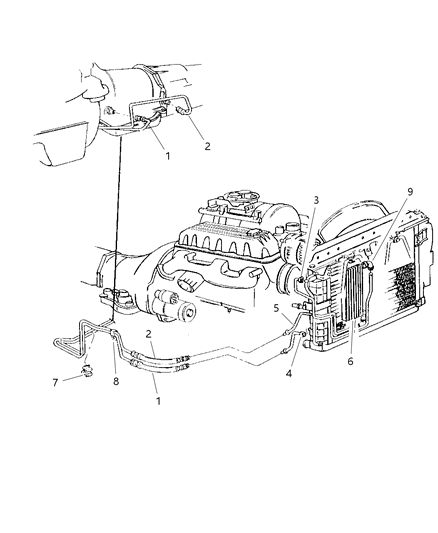
Credit: www.moparpartsgiant.com
Jeep Grand Cherokee Transmission Types
The Jeep Grand Cherokee uses several transmission types across its models. Each transmission matches the vehicle’s design and power needs. Knowing these types helps owners understand performance and maintenance. This section explains key transmissions found in the Grand Cherokee.
Zj And Wj Generations
The ZJ generation (1993-1998) mainly used the 4-speed automatic transmission. It was smooth but had limits in heavy use. The WJ generation (1999-2004) upgraded to the 5-speed automatic. This offered better gear shifts and improved fuel efficiency. Both types were paired with strong V6 and V8 engines. They suited daily driving and light off-road conditions well.
Eight-speed Automatic Overview
The eight-speed automatic transmission arrived with newer Grand Cherokee models. It provides more gear options, improving power delivery and fuel economy. This transmission adapts well to various terrains and driving styles. It is known for smooth shifts and better control. This type supports the latest engine technologies and helps the vehicle run quieter and cooler.
Common Engine And Vehicle Pairings
The 97 Jeep Grand Cherokee transmission pairs with several engines and vehicles. These pairings influence performance and reliability. Understanding common combinations helps in maintenance and repair. Here are key models and related vehicles sharing similar transmissions and engines.
Jeep Grand Cherokee Models
The 1997 Jeep Grand Cherokee mainly features the ZJ generation. It uses engines like the 4.0L inline-six and 5.2L V8. The transmission options mostly include the 4-speed automatic. This setup balances power and smooth shifting. The 4.0L inline-six is known for durability. The 5.2L V8 offers more towing capacity. Both engines work well with the automatic transmission. This model is popular for its off-road ability and daily driving comfort.
Dodge Dakota And Durango
The Dodge Dakota and Durango share engines and transmissions with the 97 Jeep Grand Cherokee. The 5.2L V8 engine appears in these vehicles too. Transmission choices often include the same 4-speed automatic. These trucks and SUVs benefit from similar powertrains. The shared parts make repairs and parts sourcing easier. The Dodge Durango, like the Grand Cherokee, is suited for towing and off-road use. The Dakota offers a midsize truck option with reliable transmission pairing.
Transmission Weaknesses
The 1997 Jeep Grand Cherokee features a transmission that offers decent performance. Still, it has some weaknesses that owners should know. Understanding these weaknesses helps in maintenance and care to avoid costly repairs.
The transmission can face problems that affect driving smoothness and reliability. These issues often appear over time or under certain conditions. Two major concerns are overheating and the impact of off-road use.
Overheating Issues
The transmission in the 1997 Jeep Grand Cherokee often runs hot. High temperatures reduce the fluid’s ability to lubricate and protect parts. Overheating causes faster wear and can lead to failure.
Driving in heavy traffic or towing heavy loads increases heat buildup. The cooling system may not always keep the transmission at a safe temperature. Regular fluid checks and changes help reduce overheating risks.
Off-road Use Impact
Off-road driving puts extra stress on the transmission. The Jeep Grand Cherokee faces tougher demands like steep climbs and sudden stops. These conditions strain the gears and clutches inside the transmission.
Frequent off-road use can speed up wear and cause slipping or rough shifts. Proper maintenance and gentle driving on rough terrain extend transmission life. Avoid deep water crossings to protect internal components from damage.
Typical Transmission Problems
The 1997 Jeep Grand Cherokee transmission is known for some common problems. These issues affect the vehicle’s performance and drivability. Understanding typical transmission problems helps with timely repairs and maintenance.
Many owners report issues related to electronic components and shifting. These problems can cause rough rides and costly repairs if ignored.
Electronic Solenoid Failures
The transmission solenoids control fluid flow inside the transmission. Faulty solenoids cause shifting delays or prevent gear changes. Solenoid failures often trigger the check engine light. Replacing solenoids can restore smooth shifting and improve performance.
Sensor Malfunctions
Transmission sensors send data to the vehicle’s computer. Malfunctioning sensors cause incorrect gear changes or slipping. Common sensors include speed sensors and temperature sensors. Sensor problems can lead to erratic transmission behavior and reduced fuel efficiency.
Shifting Difficulties
Shifting problems are common in older Jeep Grand Cherokees. Drivers may notice hard shifts, slipping, or failure to shift. These issues often result from low transmission fluid or worn internal parts. Regular fluid checks and timely repairs reduce shifting difficulties.
Repair And Diagnostic Tips
Repairing and diagnosing issues in a 1997 Jeep Grand Cherokee transmission requires attention and care. Understanding common problems helps avoid costly mistakes. Proper diagnostic methods lead to faster and more accurate repairs.
Many transmission issues show early warning signs. Knowing these signs makes it easier to act quickly and prevent further damage. Basic tips and guidelines improve repair outcomes and vehicle performance.
Core Return Policies
Core return policies affect the cost of transmission repairs. When replacing a transmission, returning the old core is often required. This return helps recycle parts and lower the total price.
Always check the seller’s core return deadline and condition rules. Failing to return the core on time can result in extra fees. Ensure the old transmission is cleaned and drained before return.
Keep all paperwork and receipts related to the core return. Clear communication with the parts supplier avoids misunderstandings. Knowing these policies saves money and speeds up the repair process.
Starting Issues In Park And Neutral
Starting problems in park and neutral are common transmission symptoms. If the Jeep does not start in these positions, the neutral safety switch may be faulty. This switch prevents the engine from starting in unsafe gears.
Test the neutral safety switch using a multimeter or scan tool. Adjust or replace the switch if readings are off. Sometimes wiring problems cause similar starting failures.
Inspect the transmission range sensor and its connections. Repair damaged wires or connectors to restore proper function. Correct diagnosis prevents unnecessary part replacements.
Credit: globalbean.eu
Transmission Replacement Options
Replacing the transmission in a 1997 Jeep Grand Cherokee requires choosing the right option. Various solutions fit different budgets and needs. Understanding these choices helps you make a smart decision. This section breaks down the main transmission replacement options for your Jeep.
Remanufactured Units
Remanufactured transmissions come from used units. Experts clean, repair, and test them before selling. They offer a balance of cost and reliability. These units often include warranties for peace of mind. Remanufactured transmissions save money but still provide good performance.
New Vs. Used Transmissions
New transmissions are built from scratch. They offer the best reliability and longest life. However, they cost much more than other options. Used transmissions come from other vehicles. They are cheaper but risk hidden damage or wear. Choose based on your budget and how long you want it to last.
Pricing Overview
Prices vary widely depending on the option. Used transmissions can cost under $700. Remanufactured units usually range from $1,400 to $2,000. New transmissions may exceed $2,500. Labor costs add to the total price. Always factor installation fees when budgeting for replacement.
Upgrade Choices
Choosing the right upgrades for your 97 Jeep Grand Cherokee transmission can improve performance and durability. The stock transmission often struggles with heavy loads and rough terrain. Upgrading helps it handle tough conditions better. Below are some popular upgrade options for enhancing your transmission’s strength and reliability.
Strengthening For Off-road
Off-road driving puts extra stress on the transmission. Strengthening parts can prevent damage and failure. Common upgrades include heavy-duty clutches and reinforced gears. These parts reduce slipping and wear during rough use. Installing a transmission cooler also helps by keeping temperatures low. Cooler transmissions last longer and perform more reliably. Such upgrades make your Jeep ready for challenging trails and steep climbs.
Aftermarket Transmission Kits
Aftermarket kits offer a full set of upgraded components. These kits often include stronger bands, seals, and friction plates. They improve shifting smoothness and reduce breakdown risk. Kits come with easy-to-follow instructions for DIY installation. Some kits also boost torque capacity for towing or hauling. Choosing a reputable brand ensures quality parts and better results. Aftermarket kits provide a cost-effective way to extend your transmission’s life.
Maintenance Best Practices
Maintaining the transmission of your 97 Jeep Grand Cherokee is key to its smooth operation. Regular care helps avoid costly repairs and extends the life of your vehicle. Simple, consistent habits keep the transmission running well.
Pay close attention to the condition of transmission components. This ensures better performance and reliability. Below are two critical maintenance best practices to follow.
Regular Fluid Checks
Check the transmission fluid level at least once a month. Use the dipstick when the engine is warm and running. The fluid should be clean and have a reddish color. Dark or burnt-smelling fluid signals a problem.
Change the transmission fluid every 30,000 to 60,000 miles. Fresh fluid prevents wear and overheating. Always use the fluid type recommended in the owner’s manual.
Sensor And Solenoid Care
Transmission sensors and solenoids control shifting and fluid flow. Dirt and wear can cause them to fail. Regularly inspect these parts during service visits.
Replace faulty sensors or solenoids immediately. This prevents transmission slipping or rough shifts. Keeping these components in good shape ensures smooth gear changes and better fuel efficiency.
Where To Buy Transmissions
Finding the right transmission for your 97 Jeep Grand Cherokee is crucial. Quality and compatibility matter most. Knowing where to buy can save time and money. Reliable sources offer both new and rebuilt transmissions. Exploring options helps you choose the best fit for your vehicle and budget.
Ebay Listings
eBay offers a wide range of transmissions for the 97 Jeep Grand Cherokee. Many sellers provide detailed descriptions and photos. Prices vary, giving you flexibility. Buyers can find both used and remanufactured units. Shipping options often include free delivery, which adds convenience.
Specialty Auto Parts Stores
Specialty auto parts stores focus on Jeep and similar vehicles. They stock transmissions built for durability. Staff often have expertise to guide your purchase. These stores may offer warranties and installation advice. Physical locations allow hands-on inspection before buying.
Online Retailers
Online retailers specialize in automotive parts and transmissions. They offer a broad selection from trusted brands. Customers benefit from easy comparison and customer reviews. Many provide fast shipping and return policies. Online shopping suits those who prefer convenience.

Credit: www.ebay.com
Frequently Asked Questions
What Transmission Came In The 1997 Jeep Grand Cherokee?
The 1997 Jeep Grand Cherokee came with a 4-speed automatic transmission. It offered smooth shifting and reliable performance.
What Jeeps Have A 42re Transmission?
Jeeps with the 42RE transmission include the Jeep Grand Cherokee (ZJ and WJ) and some Dodge models like Dakota and Durango. This transmission suits 4. 0L inline-six engines and early V8s, offering reliable performance in these vehicles.
What Transmission Does My Jeep Grand Cherokee Have?
The Jeep Grand Cherokee comes exclusively with an eight-speed automatic transmission. This transmission offers smooth shifting and improved fuel efficiency. It suits various engine options across different model years. The eight-speed automatic enhances driving comfort and performance for Jeep Grand Cherokee owners.
What Jeeps Had The 42rle Transmission?
The 42RLE transmission was used in Jeep Grand Cherokee (WJ), Jeep Liberty (KJ), and some Dodge Dakota and Durango models from early 2000s to mid-2010s. It pairs mainly with V6 and V8 engines, offering reliable but moderate-duty performance.
Conclusion
The 97 Jeep Grand Cherokee transmission plays a key role in vehicle performance. Regular maintenance helps avoid costly repairs. Knowing common issues saves time and money. Choose quality parts for best results. Drive smoothly and enjoy your Jeep longer. Keep an eye on shifting and overheating signs.
Stay informed to keep your Grand Cherokee running strong.