25 L Jeep Turbo Kit: Boost Performance Like a Pro
 Reading Time: 10 minutes
 If you’re looking to unlock serious power and performance from your Jeep’s 2.5L engine, a turbo kit might be exactly what you need. Imagine boosting your Jeep’s horsepower and torque, giving you that extra edge whether you’re tackling tough trails or cruising the streets.
The 25 L Jeep Turbo Kit offers a straightforward way to transform your ride without complicated modifications. Ready to find out how this upgrade can take your Jeep to the next level? Keep reading, because we’re breaking down everything you need to know to make the best choice for your adventure.
Why Choose A 25 L Jeep Turbo Kit
Choosing a 25 L Jeep Turbo Kit improves your vehicle’s power and efficiency. It fits well with many Jeep models, enhancing engine performance. This kit offers a practical upgrade for Jeep owners who want better speed and control. Simple installation and reliable parts make it a popular choice. The turbo kit helps your Jeep handle tough terrains with ease.
Performance Gains To Expect
The 25 L Jeep Turbo Kit boosts engine power significantly. You will notice faster acceleration and stronger torque. It increases horsepower without major engine changes. The turbo kit helps your Jeep climb hills and tow heavy loads better. This upgrade provides a steady power increase for daily driving and off-road adventures.
Fuel Efficiency Impact
Turbo kits can improve fuel efficiency by optimizing air intake. The 25 L turbo helps the engine burn fuel more completely. It may reduce fuel use during highway driving. Efficient combustion means less waste and better mileage. You save money on fuel while enjoying more power from your Jeep.
Enhanced Driving Experience
The turbo kit makes driving smoother and more responsive. Your Jeep reacts quicker to throttle inputs. It delivers consistent power across different speeds and conditions. The kit reduces turbo lag for a seamless ride. Overall, it adds confidence and fun to every drive.
Key Components Of A Turbo Kit
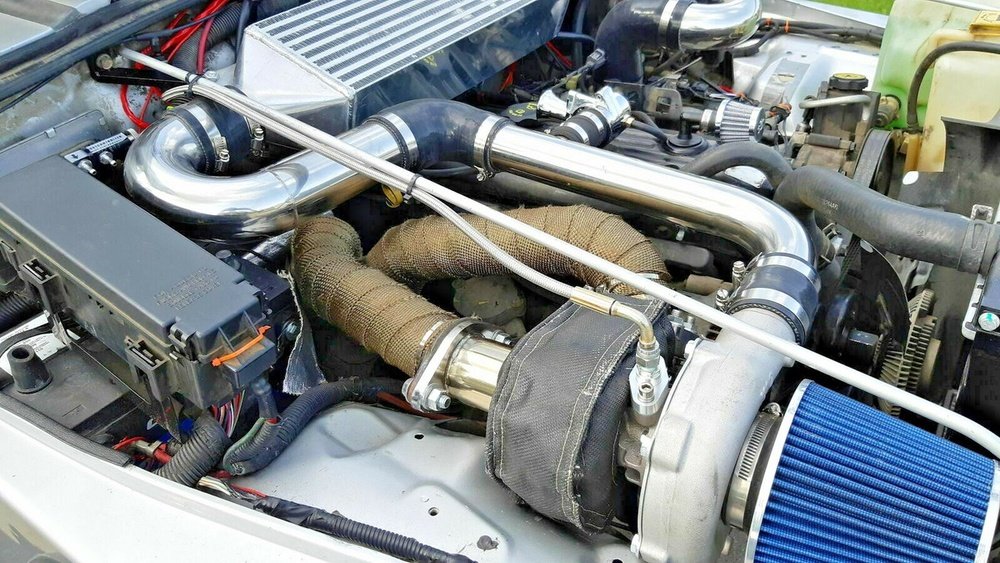
A 2.5L Jeep turbo kit boosts engine power by forcing more air inside. This extra air mixes with fuel, creating more combustion. The kit has several key parts working together to improve performance and efficiency.
Understanding each component helps to see how the system works and what benefits it offers. Below are the main parts that make up a turbo kit.
Turbocharger Types
The turbocharger is the heart of the kit. It uses exhaust gases to spin a turbine. This turbine compresses air and sends it to the engine. Common types include single-turbo, twin-turbo, and variable geometry turbos. Each offers different benefits like faster spool time or higher boost pressure. Choosing the right turbo depends on your Jeep’s engine and driving needs.
Intercooler Functionality
The intercooler cools the compressed air before it enters the engine. Cooler air is denser and holds more oxygen. This helps the engine burn fuel better and produce more power. The intercooler also reduces the risk of engine knock and overheating. It is usually placed in front of the radiator or inside the grille area for better airflow.
Exhaust And Intake Upgrades
Upgraded exhaust and intake parts help the turbo kit perform well. A high-flow exhaust system reduces back pressure and lets gases escape faster. This improves turbo efficiency and engine breathing. The intake system often includes a larger air filter and smoother piping. These upgrades ensure the engine gets clean, ample air for combustion. Together, they help the turbo kit deliver stronger power and better throttle response.
Installation Essentials
Installing a 2.5L Jeep turbo kit requires careful preparation and clear steps. Knowing the essentials helps avoid mistakes and saves time. This section covers the tools, process, and common issues you may face during installation.
Tools And Equipment Needed
Gather all necessary tools before starting. You will need a wrench set, screwdrivers, and a torque wrench.
An air compressor helps with cleaning parts. A jack and jack stands keep the Jeep stable and safe.
Have gloves and safety glasses ready to protect yourself. A flashlight or work light improves visibility in tight spots.
Step-by-step Installation Process
First, disconnect the battery to avoid electrical shorts. Remove the stock exhaust manifold and intake parts carefully.
Next, mount the turbocharger in place using the provided brackets. Connect oil and coolant lines to ensure proper turbo cooling.
Attach the new intake and downpipe to the turbo. Secure all clamps and bolts to the recommended torque.
Reinstall sensors and electrical connectors. Double-check all connections before reconnecting the battery.
Finally, start the engine and listen for unusual noises. Check for leaks and monitor boost pressure.
Common Installation Challenges
Fitting the turbo in tight engine spaces can be difficult. Some Jeep models have limited clearance around the manifold.
Oil line routing requires care to avoid kinks or leaks. Incorrect routing can cause turbo failure.
Wiring sensors incorrectly can lead to error codes or poor performance. Follow the wiring diagram closely.
Boost leaks are common if clamps are not tight. Always inspect hoses and connections carefully.

Credit: highhorseperformance.com
Ecu Tuning And Calibration
ECU tuning and calibration play a key role in optimizing your 2.5L Jeep turbo kit. The Engine Control Unit (ECU) manages fuel delivery, ignition timing, and boost pressure. Proper tuning adjusts these factors to match the new turbo setup. This ensures better power, fuel efficiency, and smooth engine operation. Without correct calibration, the engine can run poorly or suffer damage.
Why Ecu Tuning Matters
The ECU controls how the engine runs under different conditions. Adding a turbo changes air and fuel flow significantly. Stock settings do not suit these changes. Tuning the ECU adapts these settings for the turbo’s extra power. It improves throttle response and prevents engine knocking. Proper tuning also helps the turbo spool efficiently. This leads to a more enjoyable driving experience and safer engine operation.
Options For Professional Vs Diy Tuning
Professional tuning uses advanced software and dyno testing. Experts can tailor the ECU map precisely for your Jeep. This option offers the safest and most effective results. It also often includes warranty or support. DIY tuning is less costly and can be done with handheld devices or software. It requires research and care to avoid mistakes. Many Jeep owners start with DIY and later seek professional help for fine-tuning.
Maintaining Engine Reliability
Tuning is not just about power; it protects the engine too. Correct calibration prevents running too lean or rich, which can harm engine parts. It keeps temperatures and boost levels in safe ranges. Regular checks and updates to the tune help maintain reliability over time. Engine health sensors and logs guide adjustments. Reliable tuning extends the life of your Jeep’s engine and turbo system.
Supporting Upgrades For Turbo Kits
Installing a 2.5L Jeep turbo kit is only the start of boosting your vehicle’s power. Supporting upgrades help your Jeep handle the new boost safely and efficiently. These upgrades improve airflow, exhaust flow, and engine cooling. They make sure your turbo kit runs smoothly and lasts longer. Proper upgrades also enhance performance gains from the turbo.
Air Filter And Intake Systems
Upgrading your air filter and intake system is key for turbo kits. A high-flow air filter lets more air reach the turbo. This improves combustion and power output. A smooth intake pipe reduces air resistance and prevents pressure drops. Cold air intakes bring cooler air from outside the engine bay. Cooler air is denser, adding more oxygen for better burn. These upgrades keep your turbo fed with clean, cool air.
Exhaust System Enhancements
The exhaust system must handle increased gases from the turbo. Larger diameter pipes reduce backpressure and help gases exit faster. A performance downpipe is common to improve turbo spool and reduce lag. High-flow catalytic converters keep emissions in check while allowing better flow. Upgrading mufflers can improve sound and flow. A good exhaust system helps the turbo work efficiently and raises horsepower.
Cooling System Improvements
Turbocharging adds heat to your engine. Cooling upgrades prevent overheating and damage. An upgraded radiator improves heat exchange and keeps engine temps stable. An oil cooler reduces oil temperature and protects engine parts. Intercoolers cool the compressed air from the turbo before it enters the engine. Cooler intake air means more power and less risk of knocking. These cooling improvements ensure reliability under boost.
Troubleshooting And Maintenance Tips
Maintaining a 2.5L Jeep turbo kit ensures strong performance and long life. Troubleshooting problems early avoids costly repairs and keeps your Jeep running smoothly. This section covers common issues, routine care, and signs that call for expert help.
Identifying Common Issues
Watch for loss of power or slow acceleration. These often signal turbo problems. Strange noises like whining or rattling may mean worn parts. Excessive smoke from the exhaust points to oil leaks or boost issues. Check for warning lights on the dashboard as well. Early detection helps prevent bigger damage.
Routine Maintenance Practices
Regularly inspect the air filter and keep it clean. Dirty filters reduce airflow and harm turbo efficiency. Change engine oil and oil filter on schedule. Turbo parts rely on clean oil for cooling and lubrication. Check all hoses and clamps for leaks or cracks. Tighten loose connections to avoid boost loss.
When To Seek Professional Help
Persistent power loss or unusual noises need expert diagnosis. If smoke continues after simple fixes, visit a mechanic. A professional can test boost pressure and inspect internal components. Avoid driving with severe turbo issues to prevent engine damage. Trust trained technicians to ensure proper repairs and safety.
Cost Considerations And Budgeting
Budgeting for a 2.5L Jeep Turbo Kit requires clear understanding of all costs involved. This helps avoid surprises and plan expenses wisely. Turbo kits vary in price depending on parts, brand, and performance level.
Beyond the kit itself, installation and tuning add to the total cost. Consider these factors to get a full picture of the investment needed. A turbo kit can also increase your Jeep’s value and performance over time.
Kit Pricing Breakdown
Turbo kits for the 2.5L Jeep generally range from $500 to $4,000. Basic kits include the turbocharger, intercooler, and necessary piping. Higher-end kits add features like upgraded fuel systems and advanced components.
Cheaper kits can work but may lack durability. Mid-range kits offer better balance of cost and quality. Premium kits deliver the best performance but come at a higher price.
Installation And Tuning Expenses
Professional installation is recommended and usually costs $500 to $1,500. Labor time depends on the mechanic’s experience and complexity of the kit. Improper installation can cause engine damage.
Tuning after installation is essential to optimize performance and avoid engine issues. Tuning services typically cost between $300 and $700. DIY tuning is possible but risky without expertise.
Long-term Investment Value
A quality turbo kit can increase horsepower and fuel efficiency. This improvement may raise your Jeep’s resale value. Proper maintenance extends the turbo kit’s lifespan and saves money.
Consider fuel costs as turbocharged engines may use more gas under heavy load. Still, the performance gains often justify the expense. A well-chosen turbo kit is an investment in your Jeep’s power and fun.

Credit: highhorseperformance.com
Real User Experiences
Real user experiences reveal the true impact of the 25 L Jeep Turbo Kit. Buyers share insights from daily use and off-road adventures. These accounts help potential users understand performance, durability, and practical tips.
Performance Reviews
Many Jeep owners report a clear boost in engine power. Acceleration improves noticeably on highways and trails. Users say the turbo kit enhances throttle response. Some mention better fuel efficiency during regular drives. Overall, performance gains meet or exceed expectations.
Durability Feedback
Owners praise the kit’s build quality and reliability. It holds up well under tough conditions and long trips. Few report issues after months of use. Regular maintenance helps keep parts in good shape. The turbo kit withstands heat and heavy loads effectively.
Tips From Jeep Enthusiasts
Experienced users advise proper installation to avoid problems. They recommend tuning the engine control unit for best results. Upgrading the air filter and exhaust system complements the turbo kit. Some suggest gradual driving adjustments to adapt to new power. Sharing knowledge helps beginners enjoy smoother rides.

Credit: www.ebay.com
Frequently Asked Questions
Can You Put A Turbo On A 3.6 L V6?
Yes, you can install a turbo on a 3. 6L V6. It boosts power but requires proper tuning and supporting mods.
How Much Horsepower Does A 2025 Jeep Wrangler 2.0 Turbo Have?
The 2025 Jeep Wrangler 2. 0 Turbo delivers 270 horsepower. It offers strong performance for off-road and daily driving.
How To Get More Power Out Of A 4 Cylinder Jeep?
Upgrade the air filter, install cold air intake, add performance exhaust, tune the ECU, or install a turbocharger for more power.
Can You Put A Turbo On A 2.5 L?
Yes, you can install a turbo on a 2. 5L engine to boost power and improve performance. Proper tuning ensures reliability.
Conclusion
A 2. 5L Jeep turbo kit can boost your vehicle’s power and performance. It improves engine efficiency and adds extra torque. Installation may require some mechanical knowledge and tools. Choose a kit that fits your Jeep model for best results.
Regular maintenance keeps the turbo working smoothly and lasting longer. This upgrade can make your Jeep more fun to drive. Consider your driving needs before deciding on a turbo kit. Overall, a turbo kit offers a solid way to enhance your Jeep’s engine.