2014 Jeep Wrangler V6 Engine Problems: Common Issues & Fixes
 Reading Time: 9 minutes
 If you own a 2014 Jeep Wrangler with a V6 engine, you might have noticed some unexpected issues popping up. These problems can range from annoying noises to leaks and even starting troubles that disrupt your driving experience.
But don’t worry—knowing what to look for can save you time, money, and frustration. You’ll discover the most common engine problems that affect the 2014 Jeep Wrangler V6, how to spot them early, and what steps you can take to keep your Jeep running smoothly.
Whether you’re thinking about buying one or already driving it, understanding these issues will help you protect your investment and enjoy your Wrangler to the fullest. Keep reading to uncover everything you need to know about the 2014 Jeep Wrangler V6 engine problems.

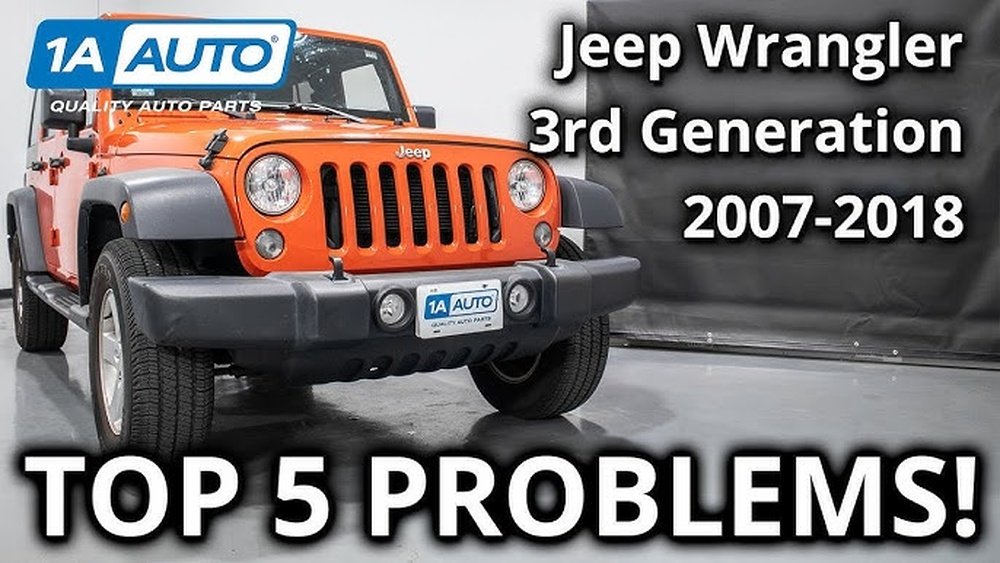
Credit: www.youtube.com
Common Problem Areas
The 2014 Jeep Wrangler with a V6 engine has some known trouble spots. These common problems can affect performance and reliability. Understanding these areas helps you spot issues early. Here are the key problem zones to watch for.
Oil And Fluid Leaks
Oil leaks often occur around the transfer case and pinion seals. These leaks can lower fluid levels and cause damage. Radiator leaks are also reported in some models. Check for wet spots under the Jeep after parking.
Exhaust Manifold Cracks
Cracked exhaust manifolds are a frequent issue. Cracks lead to noise, loss of power, and possible engine damage. They often show as ticking sounds when the engine is hot. Early detection can prevent costly repairs.
Water Intrusion At A-pillars
Water can enter through the A-pillars near the windshield and door frame. This intrusion causes dampness inside the cabin. It may lead to mold and damage to electronic components. Seals around doors and windows should be inspected regularly.
Wireless Control Module Issues
The Wireless Control Module sometimes causes starting problems. Faulty modules may prevent the engine from turning on. Electrical gremlins can also affect remote key functions. Testing the module helps avoid unexpected no-start situations.
Rust Concerns
Rust is common in older Wranglers, especially in salty or humid climates. It often appears under the body and near mounts. Rust weakens the frame and body panels. Regular checks and rust-proofing extend the vehicle’s life.
Suspension And Brake Wear
Suspension and brake parts wear out with time and use. Worn shocks, bushings, and brake pads reduce safety and comfort. Inspect these components regularly for cracks, leaks, or thinning. Timely replacement keeps the Wrangler safe on and off-road.
Used Jeep Inspection Tips
Buying a used 2014 Jeep Wrangler with a V6 engine needs careful checks. These tips help you spot issues early. Focus on areas that often cause problems. A thorough inspection saves money and trouble later.
Rust Inspection
Rust is common in older Jeep Wranglers. Check under the body and around mounts. Look for bubbling paint or rough spots. Surface rust can hide deeper damage. Pay attention to the frame and suspension parts. Rust weakens metal and can be costly to fix.
Fluid Leak Checks
Leaks cause many Jeep problems. Look under the vehicle for oil or coolant spots. Check around the transfer case and differential pinion seals. These areas often leak. Also inspect the radiator and hoses. Fresh leaks show wetness or stains. Dried leaks leave crusty residue. Leaks can lead to engine or transmission failure.
Engine Noise And History
Listen for unusual engine sounds. Ticking or knocking may mean worn rocker arms or lifters. These can damage the camshafts if ignored. Ask for maintenance records. See if exhaust manifolds were repaired. Cracked manifolds are common and cause noise and leaks. A clean history suggests better care.
Electronic System Tests
Test all electronics inside the Jeep. Check windows, locks, and the radio. Faulty electronics might point to wiring issues. The Wireless Control Module can cause starting problems. Turn the key and observe any delays or failures. Electronics that work well mean fewer hidden issues.
Typical Engine Problems
The 2014 Jeep Wrangler with a V6 engine is popular but not without flaws. Some engine problems are common and can affect performance. Understanding these issues helps with maintenance and repair decisions.
Typical engine problems often cause noise, leaks, or part failures. These problems may lead to costly repairs if ignored. Below are some common engine issues found in the 2014 Jeep Wrangler V6.
Rocker Arm And Lifter Noise
A ticking or tapping noise from the engine’s top often signals rocker arm or lifter wear. Worn bearings in these parts cause the noise. This wear can damage the camshaft if not addressed quickly. The noise usually increases during cold starts or high engine loads.
Cylinder Head Failures
Cylinder heads may develop cracks or warping due to overheating. These failures cause poor engine performance and coolant leaks. Symptoms include rough idling, overheating, and white smoke from the exhaust. Repairing or replacing the cylinder head can be costly.
Cooling System Leaks
Leaks often occur in the oil cooler or thermostat housing. Manufacturing defects like casting sand can block passages and cause leaks. Coolant loss leads to engine overheating and damage. Regular inspections help catch leaks early.
Oil Filter Cap Damage
The oil filter cap is made of plastic and can strip easily. Cross-threading or overtightening damages the cap threads. A damaged cap may cause oil leaks and reduce engine oil pressure. Using care when changing oil prevents this problem.
Timing Cover Seal Leaks
The timing cover seal can fail and cause oil leaks. Leaking oil lowers engine lubrication and risks severe damage. Signs include oil spots under the vehicle and burning oil smells. Replacing the seal restores proper sealing and prevents leaks.
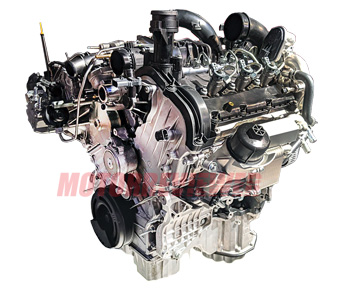
Credit: www.motorreviewer.com
Maintenance And Repair Insights
Maintaining a 2014 Jeep Wrangler with a V6 engine requires careful attention to common issues and timely repairs. Proper maintenance helps prevent costly failures and keeps the engine running smoothly. This section covers key insights on maintaining and repairing this engine model.
Importance Of Regular Fluid Changes
Fluids keep the engine and its parts working well. Regular oil changes prevent sludge buildup and reduce wear. Transmission and coolant fluids also need timely replacement. Old or dirty fluids can cause overheating and damage. Checking fluid levels often helps spot leaks early. Clean fluids extend engine life and improve performance.
Early Model Vulnerabilities
Early 2014 Wranglers showed some weaknesses in the V6 engine. Exhaust manifolds sometimes crack, causing noise and performance issues. Oil leaks around the transfer case and pinion seals are common. Water may seep through the A-pillars, risking interior damage. Electrical problems with the Wireless Control Module can cause starting failures. Knowing these weak spots helps with early detection.
Diagnostic Signs To Watch
Listen for ticking or tapping sounds in the engine. These may signal worn rocker arms or lifters. Look for oil spots under the vehicle, especially near the transfer case. Watch for engine overheating or coolant loss. Difficulty starting or electrical glitches can indicate control module faults. Early warning signs prevent bigger repairs later.
Repair Options And Part Updates
Many repairs are straightforward with updated parts now available. Replacing cracked exhaust manifolds with stronger ones solves noise and leaks. Seals on the transfer case and pinion can be swapped to stop oil drips. Updated Wireless Control Modules reduce electrical faults. Regular brake and suspension checks keep your Jeep safe on the road.
Risky And Reliable Model Years
The 2014 Jeep Wrangler with the V6 engine has seen mixed reviews over the years. Some model years showed more problems, while others performed better. Knowing which years were risky and which were more reliable helps buyers and owners make informed decisions.
The main issues reported include oil and fluid leaks, cracked exhaust manifolds, and electrical problems. These problems affected certain model years more than others. Understanding these patterns can save money and headaches.
Years To Be Cautious About
Model years around 2011 to 2013 showed more frequent engine problems. Owners reported oil leaks from the transfer case and pinion seals. Cracked exhaust manifolds were also common in these years. Electrical issues, like Wireless Control Module failures, caused starting troubles. Water leaks near the A-pillars appeared more often, leading to interior damage. Rust was a bigger problem in older Wranglers, especially in salty areas. These years need careful inspection before buying.
Years With Improved Reliability
From 2014 onwards, Jeep made improvements to the V6 engine and related parts. Many owners saw fewer leaks and less exhaust manifold cracking. Electrical systems became more stable, reducing no-start problems. Water sealing around doors and windshields improved, cutting down leaks. Rust protection was enhanced to fight corrosion better. These changes helped make later models more reliable and easier to own. Still, regular maintenance remains important to keep these Wranglers running well.
Credit: lemonlawexperts.com
Common Symptoms And Causes
The 2014 Jeep Wrangler with a V6 engine may show certain signs of trouble. Recognizing these symptoms early helps prevent bigger repairs. Various causes lead to these common issues, affecting engine performance and reliability. Understanding these problems helps Jeep owners maintain their vehicles better.
Pentastar Engine Ticking
A ticking noise from the Pentastar V6 engine often signals trouble. This sound comes from the upper engine area. It may indicate worn rocker arms or lifters. These parts control valve movement and can wear out over time. Ignoring the ticking can lead to camshaft damage. Regular checks can catch this issue early.
Check Engine Light And Misfires
The check engine light may turn on during misfires. Misfires cause the engine to run rough or lose power. Common causes include faulty spark plugs or ignition coils. Fuel injector problems can also trigger misfires. Diagnosing the exact cause requires a scan tool. Fixing misfires improves engine smoothness and fuel economy.
Valve Seat And Rocker Arm Wear
Valve seat and rocker arm wear is a known problem in some 2014 Jeep Wranglers. This wear results in poor valve sealing and engine noise. It can cause reduced engine power and rough idling. Regular oil changes help reduce wear on these parts. Ignoring wear leads to more costly repairs later.
Buying Used Advice
Buying a used 2014 Jeep Wrangler with a V6 engine needs careful attention. This model has known engine issues that can affect its performance and longevity. Checking the vehicle thoroughly helps avoid costly repairs later. Focus on key areas related to the engine’s health and maintenance history.
Reviewing Service Records
Service records reveal how well the Jeep was maintained. Look for regular oil changes and scheduled engine checks. Records showing repairs on the exhaust manifolds or oil leaks are important. They help identify recurring problems. A well-documented history means the previous owner cared for the vehicle.
Listening For Engine Sounds
Start the engine and listen closely. Any knocking, ticking, or tapping noises suggest engine wear. Rocker arm or lifter noises are common in this model. These sounds can hint at bigger problems inside the engine. A smooth, steady sound is a good sign of engine health.
Prioritizing Maintenance History
Focus on the Jeep’s maintenance schedule, especially engine-related work. Check if the cooling system and oil filter cap were serviced properly. Missing or delayed maintenance increases the risk of engine failure. Prioritize vehicles with complete, timely service records to ensure reliability.
Frequently Asked Questions
What Problems Does A 2014 Jeep Wrangler Have?
The 2014 Jeep Wrangler often faces oil and fluid leaks, cracked exhaust manifolds, water leaks from A-pillars, electrical issues, and rust. Rocker arm noise and cooling system leaks also occur. Regular maintenance helps prevent severe damage and ensures reliability.
What Is The Problem With The Jeep 3.6 L Engine?
The Jeep 3. 6L engine often faces oil leaks, cracked exhaust manifolds, and rocker arm noise. Electrical and water leaks also occur. Regular maintenance prevents damage and improves reliability.
What Year Is 3.6 Pentastar To Avoid?
Avoid the 2011-2013 Jeep Grand Cherokee 3. 6 Pentastar due to common issues like oil leaks, exhaust cracks, and electrical problems. Regular maintenance helps but these years show frequent faults.
Is The 3.6 L V6 A Good Engine?
The 3. 6L V6 engine delivers solid power and smooth performance. It requires regular maintenance to avoid common issues like oil leaks and rocker arm wear. Overall, it offers reliable performance when properly cared for.
What Are Common 2014 Jeep Wrangler V6 Engine Problems?
Common issues include oil and fluid leaks, cracked exhaust manifolds, and electrical gremlins. Water leaks from A-pillars and rust are also frequent problems. Regular checks help catch these early.
Conclusion
The 2014 Jeep Wrangler V6 has some known engine issues. Oil and fluid leaks are common and need quick attention. Cracked exhaust manifolds may cause noise and engine problems. Water leaks around the windshield can lead to interior damage. Electrical faults sometimes stop the engine from starting.
Checking for rust and worn parts helps avoid costly repairs. Regular maintenance keeps the engine running smoothly. Always inspect used models carefully before buying. Staying aware of these problems saves money and stress. Your Wrangler can stay reliable with proper care.