2007 Jeep Grand Cherokee Transmission Fluid Change Guide
 Reading Time: 6 minutes
 If you drive a 2007 Jeep Grand Cherokee, keeping your transmission fluid clean and topped up is vital. Many people overlook this simple task, but it affects how smoothly your SUV shifts gears and how long your transmission lasts. Whether you’re a beginner or just want clear advice, this guide covers everything you need to know about the 2007 Jeep Grand Cherokee transmission fluid—what it is, how to check it, how to change it, and common mistakes to avoid.
What Is Transmission Fluid And Why Does It Matter?
Transmission fluid is a special liquid that keeps the transmission running smoothly. It lubricates parts, cools the system, and helps your Jeep shift gears without problems. For the 2007 Grand Cherokee, the transmission is either automatic or manual, but most models are automatic.
- Lubrication: Reduces friction between moving parts.
- Cooling: Prevents overheating.
- Hydraulic action: Helps shift gears smoothly.
If the fluid level is low or dirty, you may feel rough shifting, hear strange noises, or even damage the transmission. Fixing a bad transmission can cost thousands, so regular checks and changes are smart and affordable.
Types Of Transmission Fluid For The 2007 Jeep Grand Cherokee
Choosing the correct fluid is important. Using the wrong type can cause poor performance or damage.
Automatic Transmission
Most 2007 Grand Cherokees use the 545RFE or W5A580 automatic transmission.
- 545RFE: Requires ATF+4 (Automatic Transmission Fluid +4)
- W5A580: Also uses ATF+4
Manual Transmission
Rare, but some models may have a manual transmission. These require a different fluid—usually a specific gear oil.
Tip: Always check your owner’s manual or the sticker under the hood for the exact fluid type.
How To Check Transmission Fluid Level
Checking transmission fluid is simple. You don’t need special tools, just a clean rag and basic know-how.
Steps:
- Warm up your Jeep by driving for 10–15 minutes.
- Park on a flat surface and leave the engine running.
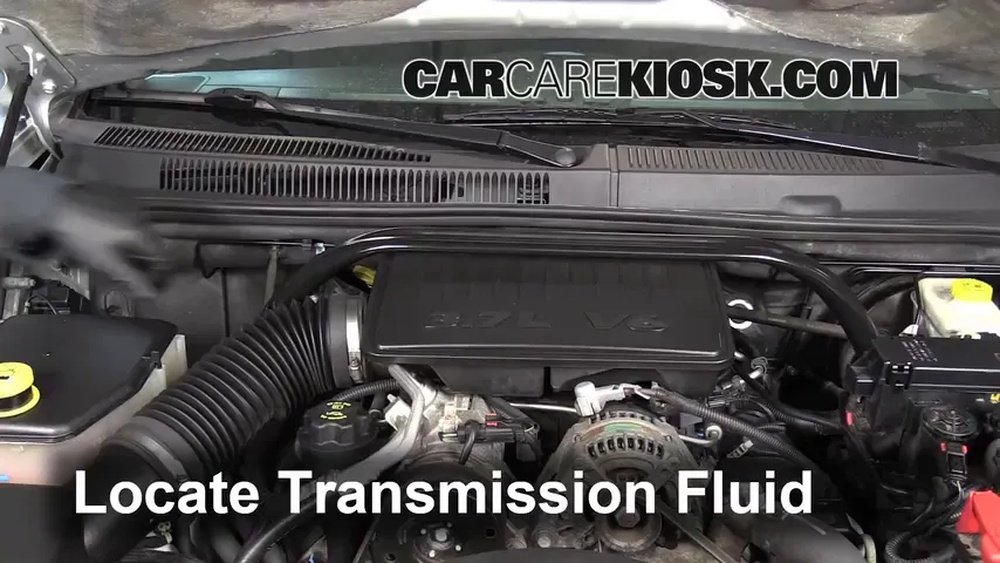
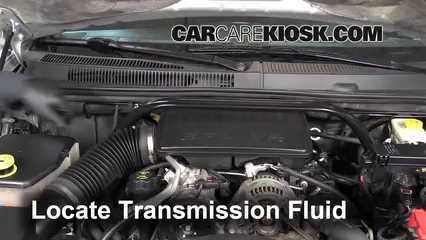
- Open the hood and locate the transmission dipstick (usually labeled).
- Pull out the dipstick, wipe it clean, reinsert, then pull out again.
- Check the fluid level against the marks (low/full).
- The fluid should be pinkish and smell fresh—not brown or burnt.
Beginner tip: If your Jeep doesn’t have a dipstick (some models do not), you may need a mechanic to check the fluid using a special tool.
Signs Your Transmission Fluid Needs Changing
Ignoring old fluid can lead to expensive repairs. Watch for these signs:
- Rough shifting: Delays or jerky gear changes.
- Noise: Whining or grinding sounds.
- Fluid color: Dark or brown instead of pink.
- Burnt smell: Indicates overheating.
- Leaks: Puddles under your car.
If you notice any of these, check your fluid soon.

Credit: www.youtube.com
How Often Should You Change Transmission Fluid?
The recommended interval for changing transmission fluid in the 2007 Jeep Grand Cherokee is every 60,000 miles or every 5 years, whichever comes first. However, if you drive in tough conditions (towing, city traffic, extreme heat), it’s smart to check and change it more often.
Practical Example:
- Normal driving: 60,000 miles
- Heavy use: 30,000–40,000 miles
How To Change Transmission Fluid In A 2007 Jeep Grand Cherokee
Changing transmission fluid at home is possible, but beginners may find it tricky. Here’s a basic outline:
Tools And Materials
- ATF+4 fluid (about 6–8 quarts)
- Transmission filter (optional but recommended)
- Drain pan
- Socket set
- Clean rags
- New gasket (if needed)
Steps
- Warm up the Jeep for better fluid drainage.
- Safely lift the vehicle with jack stands.
- Place the drain pan under the transmission pan.
- Remove the transmission pan bolts and let fluid drain.
- Remove the old filter and replace with a new one.
- Clean the pan and replace the gasket.
- Reinstall the pan and bolts.
- Refill with new ATF+4 fluid through the dipstick tube.
- Start the engine and check for leaks.
- Check fluid level and top off if needed.
Beginner mistake: Overfilling or underfilling. Always check the fluid level after changing.
Cost Of Transmission Fluid Change
Changing transmission fluid is not expensive compared to a full transmission repair.
- DIY cost: $50–$100 (fluid, filter, gasket)
- Mechanic cost: $150–$250 (labor included)
Example: A typical mechanic will charge about $180 for a fluid change on a 2007 Jeep Grand Cherokee, including parts and labor.
Comparison: Atf+4 Vs Other Fluids
Many fluids are on the market, but ATF+4 is the only approved type for most 2007 Jeep Grand Cherokees. Using the wrong fluid can void your warranty or damage your transmission.
Here’s a quick comparison:
| Fluid Type | Approved? | Performance | Price (per quart) |
|---|---|---|---|
| ATF+4 | Yes | Optimal | $7–$10 |
| Dexron III | No | Poor | $5–$8 |
| Universal ATF | No | Variable | $8–$12 |
Transmission Fluid Capacity For 2007 Grand Cherokee
Knowing the fluid capacity helps you buy the right amount.
| Transmission Model | Fluid Capacity (Quarts) |
|---|---|
| 545RFE | 6–7 |
| W5A580 | 8–9 |
| Manual | 3–4 |
Tip: Always check your owner’s manual for exact numbers.
Common Mistakes Beginners Make
Changing transmission fluid isn’t hard, but many people make mistakes:
- Using the wrong fluid: Only use ATF+4 for automatics.
- Not changing the filter: The filter catches debris and should be replaced.
- Overfilling: Too much fluid can cause leaks.
- Underfilling: Not enough fluid leads to overheating.
- Ignoring leaks: Even small leaks can cause big problems over time.
If you’re unsure, ask a mechanic or visit a trusted source like Jeep Official.
Practical Tips For Beginners
- Buy quality fluid: Cheap fluid can cause problems.
- Use gloves: Transmission fluid can irritate skin.
- Dispose of old fluid properly: Never pour it down the drain.
- Check for leaks: Look under your Jeep after a change.
- Record the date/mileage: Helps track maintenance.
What Happens If You Ignore Transmission Fluid?
If you don’t check or change your fluid, here’s what can happen:
- Transmission failure: Costs thousands to repair.
- Poor performance: Rough shifting and loss of power.
- Overheating: Can damage other parts.
- Reduced fuel efficiency: More friction means more gas used.
Credit: namami.se
Data: Transmission Fluid Life Span
Transmission fluid breaks down over time. Here’s how lifespan changes with use:
| Driving Condition | Fluid Life Span (Miles) |
|---|---|
| Normal driving | 60,000 |
| Heavy towing | 30,000 |
| City stop-and-go | 40,000 |
| Extreme heat | 35,000 |
Real-life Example
Mike, a beginner Jeep owner, skipped checking his transmission fluid for two years. He started noticing rough shifting and a burning smell. When he finally checked, the fluid was brown and low. After changing it, his Jeep ran smoother, and he avoided a costly repair.
Non-obvious insight: Even if your Jeep shifts fine, check fluid at least once a year. Problems often start quietly.

Credit: www.youtube.com
Frequently Asked Questions
How Much Transmission Fluid Does A 2007 Jeep Grand Cherokee Need?
Most 2007 Grand Cherokees need 6–9 quarts of ATF+4, depending on the transmission type. Always check your owner’s manual for the exact amount.
Can I Use Dexron Iii Or Other Fluids Instead Of Atf+4?
No, you should only use ATF+4. Other fluids like Dexron III are not approved and can damage your transmission or void your warranty.
What Color Should My Transmission Fluid Be?
Fresh ATF+4 fluid is pinkish or red. If it’s brown or smells burnt, it’s time to change it.
Do I Need To Change The Transmission Filter Every Time?
It’s best to change the transmission filter when you change the fluid. The filter catches dirt and metal particles, so a clean filter means longer transmission life.
Is It Safe For Beginners To Change Transmission Fluid Themselves?
Yes, but it requires care. Always use the right fluid, don’t overfill, and follow the steps closely. If you’re not comfortable, a mechanic can do it for you.
Maintaining your 2007 Jeep Grand Cherokee’s transmission fluid isn’t complicated, but it makes a big difference. Follow these steps and tips, and you’ll keep your Jeep running smoothly for years. Regular checks and changes save money and prevent headaches. If you’re ever unsure, check your manual or ask a professional—you’ll thank yourself later.