2002 Jeep Grand Cherokee Overland Rear End Oil Type: Expert Guide
 Reading Time: 8 minutes
 If you own a 2002 Jeep Grand Cherokee Overland, you know how important it is to keep every part running smoothly—especially the rear end. One key to a healthy rear differential is using the right type of oil.
But with so many options out there, how do you choose the best oil for your Jeep’s rear end? This guide will help you understand exactly what oil type works best for your 2002 Grand Cherokee Overland, so you can protect your vehicle, avoid costly repairs, and enjoy a smoother ride.
Keep reading to discover the simple steps that will keep your Jeep’s rear end in top shape.
Rear End Oil Basics
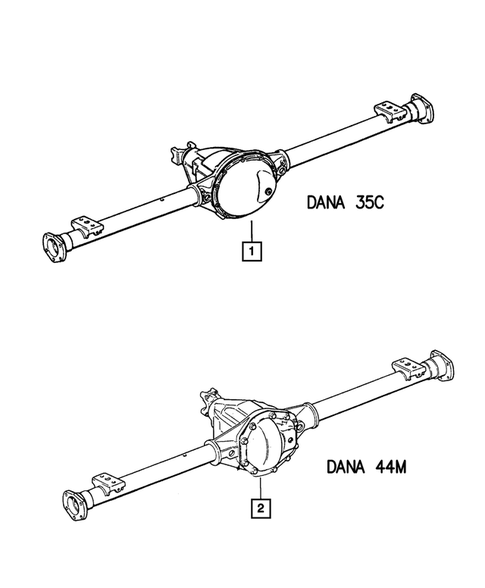
The rear end oil in a 2002 Jeep Grand Cherokee Overland keeps the differential running smoothly. This oil lubricates the gears inside the rear differential. Proper lubrication reduces wear and prevents overheating. Regular checks and changes of this oil protect the vehicle’s drivetrain. Understanding the basics of rear end oil helps maintain your Jeep’s performance and longevity.
Role Of Rear Differential Oil
Rear differential oil lubricates the gears inside the differential housing. It reduces friction between moving parts. This oil also helps cool the gears during operation. Without proper oil, gears can wear out quickly or even break. The oil creates a thin film that protects metal surfaces. It also helps prevent rust and corrosion inside the differential. Proper oil ensures smooth power transfer to the wheels.
Oil Types For Jeep Grand Cherokee
The 2002 Jeep Grand Cherokee Overland uses gear oil for its rear differential. Most commonly, 75W-140 synthetic gear oil is recommended. This oil offers strong protection under high pressure and heat. Some models may use 75W-90 oil, but check your owner’s manual first. Mopar limited slip additives may be required if your differential has a limited slip feature. Always choose oils meeting GL-5 specifications for best results.
Recommended Oil For 2002 Grand Cherokee Overland
The 2002 Jeep Grand Cherokee Overland requires specific rear end oil to keep its differential running smoothly. Using the right oil protects gears from wear and ensures reliable performance. Selecting proper oil type helps maintain the vehicle’s longevity and efficiency.
Choosing the recommended oil avoids damage and reduces costly repairs. Understanding viscosity, specifications, and oil types simplifies maintenance for your Jeep Overland.
Viscosity And Specifications
The ideal viscosity for the rear differential oil in the 2002 Grand Cherokee Overland is 75W-140. This thickness provides excellent protection under high pressure and temperature. The oil must meet API GL-5 specifications to handle the heavy load and gear conditions.
API GL-5 oils contain additives that prevent metal-to-metal contact. This reduces wear and keeps gears in good condition. Check your owner’s manual for exact volume and specification details.
Gl5 Vs Other Ratings
GL-5 rating is critical for Jeep differentials. It offers stronger extreme pressure additives than GL-4. GL-4 oils suit light-duty but do not protect heavy gears well. Using GL-5 ensures your differential withstands tough driving conditions.
Avoid using oils with lower ratings as they may cause gear damage. GL-5 oils provide the best balance of protection and performance for your Grand Cherokee Overland.
Synthetic Vs Conventional Oil
Synthetic oils outperform conventional oils in temperature stability and longevity. They resist breakdown and maintain viscosity better during hard use. Synthetic 75W-140 oil improves gear protection and extends oil change intervals.
Conventional oils work but need more frequent changes. Synthetic oil helps keep your rear differential cleaner and reduces wear. For the 2002 Jeep Grand Cherokee Overland, synthetic GL-5 gear oil is the preferred choice.
Changing Rear Differential Oil
Changing the rear differential oil in your 2002 Jeep Grand Cherokee Overland keeps the rear end running smoothly. This oil lubricates gears inside the differential, preventing wear and overheating. Over time, the oil breaks down and collects debris. Fresh oil ensures your differential lasts longer and works quietly. Regular changes improve performance and avoid costly repairs.
Tools And Materials Needed
- Socket wrench set
- Drain pan
- New rear differential oil (check owner’s manual for type)
- Gear oil pump or squeeze bottle
- Clean rags
- Gasket or silicone sealant (if required)
- Torque wrench
- Safety gloves and goggles
Step-by-step Drain And Fill Process
- Park on a flat surface and secure the vehicle.
- Locate the rear differential housing underneath the Jeep.
- Remove the fill plug first to allow air in during draining.
- Place the drain pan under the drain plug and remove it.
- Allow all old oil to fully drain out.
- Clean the drain plug and replace its gasket or sealant.
- Reinstall and tighten the drain plug to factory torque specs.
- Use the pump to fill the differential with new gear oil through the fill hole.
- Fill until oil starts to seep from the fill hole.
- Replace and tighten the fill plug securely.
Checking For Leaks And Proper Seal
After filling, wipe the area clean and inspect for leaks. Watch the differential for oil spots under the vehicle. Test drive the Jeep for a short distance. Recheck plug tightness and look for leaks again. Confirm the differential runs quietly without unusual noises. Proper sealing prevents oil loss and protects the gears.
Credit: store.mopar.com
Signs Of Rear Differential Oil Issues
Recognizing signs of rear differential oil issues in your 2002 Jeep Grand Cherokee Overland helps prevent costly repairs. The rear differential relies on proper oil to lubricate gears and bearings. Low or contaminated oil can cause damage and affect vehicle performance. Watch for these clear signals to maintain your Jeep’s rear end health.
Unusual Noises
Hearing whining, howling, or clunking sounds from the rear end is a red flag. These noises often mean the differential oil is old, dirty, or low. The gears may not be lubricated well, causing friction and wear. Prompt attention can stop further damage.
Leaking Fluid
Spotting oil stains under your Jeep suggests a leak in the rear differential. Oil leaks reduce lubrication, risking gear damage. Inspect the rear axle and differential housing for wet spots. Early repair keeps your differential running smoothly.
Performance Problems
Difficulty turning, vibrations, or uneven tire wear point to rear differential trouble. Poor lubrication affects gear movement and vehicle handling. You might feel resistance or jerks when driving. Fixing the oil issue restores proper function and safety.
Maintenance Tips For Rear End Oil
Maintaining the rear end oil of your 2002 Jeep Grand Cherokee Overland is essential. Proper care keeps the differential running smoothly. It also prevents costly repairs and extends the life of your vehicle’s drivetrain. Follow these maintenance tips to ensure optimal performance and protection.
Recommended Change Intervals
Change the rear end oil every 30,000 miles or two years. Severe driving conditions may require more frequent changes. Check your owner’s manual for specific recommendations. Regular oil changes prevent dirt buildup and gear wear. Fresh oil keeps the differential lubricated and cool.
Using Limited Slip Additives
The 2002 Grand Cherokee Overland often has a limited slip differential. Use limited slip additives to improve performance. These additives reduce noise and wear inside the differential. They also help prevent clutch chatter. Always use the additive recommended by Jeep for best results.
Storage And Handling Of Oil
Store rear end oil in a cool, dry place. Keep the container tightly sealed to avoid contamination. Use clean tools and funnels when handling the oil. Avoid mixing different brands or types of oil. Proper storage preserves oil quality and protects your vehicle’s differential.

Credit: www.hawkford.com
Common Questions
Many owners of the 2002 Jeep Grand Cherokee Overland have questions about the rear end oil type. Choosing the right oil is vital for proper differential function. This section answers common queries to help you maintain your vehicle with confidence.
Can I Use 75w-140 Gear Oil?
Yes, 75W-140 gear oil is suitable for the rear differential. It provides good protection under high temperatures and heavy loads. This oil is thicker than 75W-90, offering extra durability. Check your owner’s manual to confirm the recommended viscosity.
Is Synthetic Oil Better For The Rear Differential?
Synthetic oil offers better performance in extreme conditions. It resists breakdown and maintains lubrication longer. This helps reduce wear and extends differential life. Synthetic oil can also improve fuel efficiency. It is a good choice for heavy use or off-road driving.
How To Choose The Right Oil Brand
Select brands with proven quality and industry certifications. Look for oils meeting GL-5 specifications for gear protection. Trusted brands often provide clear product information and support. Avoid unknown or cheap brands that lack testing. Choose oils designed for limited-slip differentials if your vehicle has one.

Credit: www.kengarff.com
Frequently Asked Questions
Can You Use 75w90 Instead Of 75w85 Jeep?
You can use 75W90 instead of 75W85 in a Jeep if the manufacturer allows it. Both have similar viscosity but check your owner’s manual for compatibility. Using 75W90 may offer better protection under high temperatures without harming your differential.
What Oil Goes In A Jeep Differential?
Use SAE 75W-90 or 75W-140 GL-5 gear oil in Jeep differentials. For limited-slip differentials, add Mopar limited-slip additive.
What Kind Of Diff Fluid Does A 2000 Jeep Cherokee Take?
A 2000 Jeep Cherokee uses 75W-140 GL-5 gear oil for its differential. Use Mopar limited slip additive if equipped.
What Kind Of Gear Oil Does A 2004 Jeep Grand Cherokee Take?
A 2004 Jeep Grand Cherokee requires SAE 75W-90 or 75W-140 gear oil with API GL-5 rating. Use Mopar limited slip additive for Sure Grip differentials.
Conclusion
Choosing the right rear end oil keeps your 2002 Jeep Grand Cherokee Overland running smoothly. Use recommended gear oil like 75W-140 GL-5 for best results. Regular fluid checks prevent damage and extend axle life. Always follow your Jeep’s maintenance guide for oil type and change intervals.
Proper care ensures reliable performance on every drive. Keep your Jeep ready for any adventure with the correct rear differential oil.