1998 Jeep Wrangler Engine 40 L 6 Cylinder: Ultimate Power Unleashed
 Reading Time: 9 minutes
 If you own a 1998 Jeep Wrangler or are thinking about getting one, understanding its 4.0 L 6-cylinder engine is key to keeping your ride powerful and reliable. This classic engine has earned a reputation for toughness and long-lasting performance, but knowing its strengths and common issues can save you time and money.
Whether you’re troubleshooting a problem, planning an upgrade, or just curious about what makes this engine tick, this guide will give you clear, easy-to-follow insights. Keep reading to unlock everything you need to know about the heart of your Jeep Wrangler.

Credit: www.worldwidevintageautos.com
Engine Specifications
The 1998 Jeep Wrangler comes with a solid 4.0-liter 6-cylinder engine. This engine is known for its durability and reliable performance. It offers a balance of power and efficiency suitable for both off-road adventures and daily driving. Understanding its specifications helps appreciate why this engine remains popular among Jeep enthusiasts.
Displacement And Configuration
The engine has a displacement of 4.0 liters, which means it can move 4,000 cubic centimeters of air and fuel mixture. It uses an inline 6-cylinder layout, where all cylinders are arranged in a straight line. This configuration provides smooth power delivery and good engine balance.
Power Output And Torque
This 4.0-liter engine produces around 190 horsepower. It also delivers about 225 pound-feet of torque. Torque is important for off-road driving and towing, giving the Jeep the strength to handle tough terrain. The power output supports both highway speeds and rugged conditions.
Fuel System And Efficiency
The engine uses a fuel injection system that improves fuel delivery and combustion. This system helps the engine run more efficiently compared to older carbureted models. Fuel efficiency is moderate, offering a good compromise between power and economy for a vehicle of its size and capability.
Performance Highlights
The 1998 Jeep Wrangler with the 4.0L 6-cylinder engine offers strong and reliable performance. This engine is known for its durability and power in various driving conditions. It provides a balanced mix of strength and control that suits both on-road and off-road adventures.
Off-road Capabilities
The 4.0L engine gives the Wrangler excellent torque at low speeds. This helps in climbing steep hills and crossing rough terrain. Its design allows the Jeep to handle mud, rocks, and sand with ease. The engine’s power delivery supports the vehicle’s solid axles and 4-wheel drive system perfectly.
Towing And Hauling Strength
The 6-cylinder engine delivers enough power for towing small trailers or boats. It can haul gear for camping or outdoor activities without strain. The Wrangler’s frame and suspension work well with the engine to maintain stability while towing.
Acceleration And Handling
The 4.0L engine provides steady acceleration for city driving and highway cruising. It responds well to the driver’s input, making handling smooth and predictable. The Jeep’s suspension and steering are tuned to work with the engine for a confident driving experience.
Common Issues And Maintenance
The 1998 Jeep Wrangler with its 4.0 L 6-cylinder engine is known for durability. Still, some common issues can arise over time. Understanding these problems helps keep your Jeep running smoothly. Regular maintenance prevents costly repairs and extends engine life. Paying attention to signs of wear ensures timely replacements. This section covers typical engine problems, maintenance tips, and key signs to watch.
Typical Engine Problems
The 4.0 L engine may develop oil leaks, especially around the valve cover gasket. Over time, the intake manifold gasket can also fail, causing coolant leaks. Another common issue is a rough idle caused by a faulty idle air control valve. Some owners report overheating due to a weak thermostat or radiator issues. Ignition system problems like worn spark plugs or distributor cap may cause misfires. These issues can reduce performance and fuel efficiency.
Routine Maintenance Tips
Regular oil changes every 3,000 to 5,000 miles keep the engine lubricated. Check and replace air filters to ensure good airflow. Inspect belts and hoses for cracks or wear and replace as needed. Flush the cooling system every two years to avoid overheating. Spark plugs and wires should be changed every 30,000 miles. Use quality fluids and parts to maintain engine health. Keep an eye on the battery and electrical connections.
Signs Of Wear And When To Replace
Listen for knocking or ticking sounds from the engine. These noises may indicate worn bearings or lifters. Excessive smoke from the exhaust can signal oil burning or gasket failure. Noticeable loss of power or rough running means it’s time for a tune-up. Check engine light warnings should never be ignored. If the engine overheats frequently, inspect cooling parts immediately. Replace parts showing cracks, leaks, or severe wear to avoid bigger problems.
Engine Replacement Options
Replacing the engine of a 1998 Jeep Wrangler with a 4.0L 6-cylinder can improve performance and extend vehicle life. Choosing the right engine type depends on your budget and goals. Several options exist, each with benefits and drawbacks.
Understanding these choices helps in making a smart investment for your Jeep’s future. This section covers remanufactured engines, compares used and new engines, and guides where to buy engines.
Remanufactured Engines
Remanufactured engines are rebuilt to meet original factory standards. Technicians replace worn parts and test the engine thoroughly. This option offers reliability close to new engines but at a lower cost.
Remanufactured engines come with warranties, adding peace of mind. They save you money while delivering good performance. This makes them a popular choice for Jeep owners.
Used Vs New Engines
Used engines cost less but carry higher risk. They may have unknown damage or wear. Inspecting and verifying mileage is crucial before purchase.
New engines offer the best reliability and lifespan. They come with full manufacturer warranties. The price is higher but often worth the investment for long-term use.
Choosing between used and new depends on your budget and how long you plan to keep your Jeep.
Where To Buy Engines
Engines for a 1998 Jeep Wrangler 4.0L 6-cylinder are available from various sources. Online marketplaces like eBay offer a range of used and remanufactured engines. Ensure sellers have good ratings and return policies.
Specialty auto parts stores and Jeep dealerships also sell engines. These places often provide warranties and installation support. Local junkyards may offer used engines at lower prices but with less guarantee.
Compare prices and conditions before purchasing. Choose trusted sellers to avoid future problems.
Upgrades And Modifications
Upgrading and modifying the 1998 Jeep Wrangler with the 4.0 L 6-cylinder engine can greatly improve its performance and appearance. Many Jeep owners choose to personalize their vehicles to better suit off-road adventures or daily driving. These changes range from simple bolt-on parts to advanced engine tweaks. Each modification offers unique benefits but also affects the vehicle’s overall value and reliability.
Performance Enhancements
Performance upgrades boost the engine’s power and efficiency. Common changes include installing a cold air intake to improve airflow. Upgrading the exhaust system helps the engine breathe better, increasing horsepower. Some owners add performance chips or tuners to optimize fuel delivery and ignition timing. These mods can make the Wrangler more responsive and fun to drive. Careful selection keeps the engine running smoothly without sacrificing durability.
Aftermarket Parts
Aftermarket parts provide many options for customizing the 1998 Jeep Wrangler. Popular choices are suspension lifts to increase ground clearance. Larger tires improve traction on rough terrain. Heavy-duty bumpers and skid plates protect vital components during off-roading. Upgraded brakes and cooling systems help the vehicle handle added stress. These parts often come with warranties and are designed for Jeep compatibility. They can be installed by DIY enthusiasts or professional shops.
Impact On Value And Reliability
Upgrades can raise the Jeep’s value if done properly. Quality parts and professional installation appeal to buyers. However, excessive or poorly executed modifications may reduce reliability. Over-tuning the engine risks wear and mechanical failures. Maintaining records of all upgrades helps prove their benefits. Regular maintenance is essential to keep the Jeep in good condition. Balanced modifications improve performance while preserving the Wrangler’s legendary toughness.
Pricing And Market Value
The pricing and market value of the 1998 Jeep Wrangler with a 4.0 L 6-cylinder engine vary widely. Several key factors influence how much these vehicles sell for today. Understanding these can help buyers and sellers set realistic expectations.
Prices depend on the vehicle’s condition, mileage, and any upgrades or modifications. Market demand and regional trends also play a big role. This Jeep model remains popular among off-road enthusiasts, which helps maintain its value over time.
Factors Affecting Price
Condition is the main factor affecting price. A well-maintained engine and clean interior boost value. Low mileage Wranglers generally sell for more.
Trim level matters as well. The Sahara trim usually costs more than the Sport or SE trims. Modifications like lifts, tires, and bumpers can increase price if they appeal to buyers.
Rust and engine problems reduce value. Original parts and a clean service history help preserve price. The 4.0 L 6-cylinder engine is known for reliability, which adds to its appeal.
Regional Price Differences
Prices vary by region. Areas with more off-road trails may see higher demand. For example, Jeep prices in Austin, Texas, tend to be higher than in some northern states.
Climate impacts value too. Wranglers in dry areas often have less rust damage. Coastal or humid regions may lower prices due to corrosion risks.
Local market trends and availability also influence pricing. Some regions have more Jeep enthusiasts, raising prices due to competition.
Tools For Accurate Valuation
Online tools help find fair market value for the 1998 Jeep Wrangler. Kelley Blue Book and Edmunds provide price estimates based on condition and location.
TrueCar and Cars.com also offer price insights using recent sales data. These tools allow you to input specific details for a more accurate estimate.
Hagerty specializes in classic and collectible cars. Their valuation tools help understand the Jeep’s value in the collector market. Using multiple sources gives a clearer pricing picture.
Comparisons With Other Jeep Engines
The 1998 Jeep Wrangler’s 4.0L 6-cylinder engine stands out among Jeep powertrains. Comparing it with other Jeep engines helps understand its strengths and weaknesses. This section breaks down key differences and improvements across engine types and generations. It also highlights which engine suits various driving needs.
Vs. Inline 4 And V8 Engines
The 4.0L 6-cylinder offers more power than the smaller inline 4 engines. Inline 4 engines usually have less torque and horsepower. They focus on fuel efficiency and lighter weight. The 4.0L engine, however, delivers better off-road performance and towing capacity.
Compared to V8 engines, the 4.0L is simpler and more reliable. V8s provide higher horsepower and torque for heavy-duty tasks. Yet, they consume more fuel and cost more to maintain. The 4.0L strikes a balance between power and economy.
Generational Improvements
Over the years, Jeep improved the 4.0L engine for better durability. Early models had issues with head gaskets and cooling. Later versions fixed these problems with stronger components. Fuel delivery and emissions were also enhanced to meet stricter standards.
Newer Jeep engines introduced technologies like fuel injection and better materials. These changes improved performance and reduced maintenance needs. Still, the 4.0L remains popular for its straightforward design and ease of repair.
Suitability For Different Uses
The 4.0L 6-cylinder suits off-road driving and moderate towing well. Its torque helps climb steep trails and pull trailers. Inline 4 engines fit daily commuting and light off-road use. They save fuel but lack power for tough terrain.
V8 engines excel in heavy towing and high-speed highway driving. They fit drivers needing maximum power and load capacity. The 4.0L balances power and reliability, making it ideal for most Jeep Wrangler owners.

Credit: en.wikipedia.org
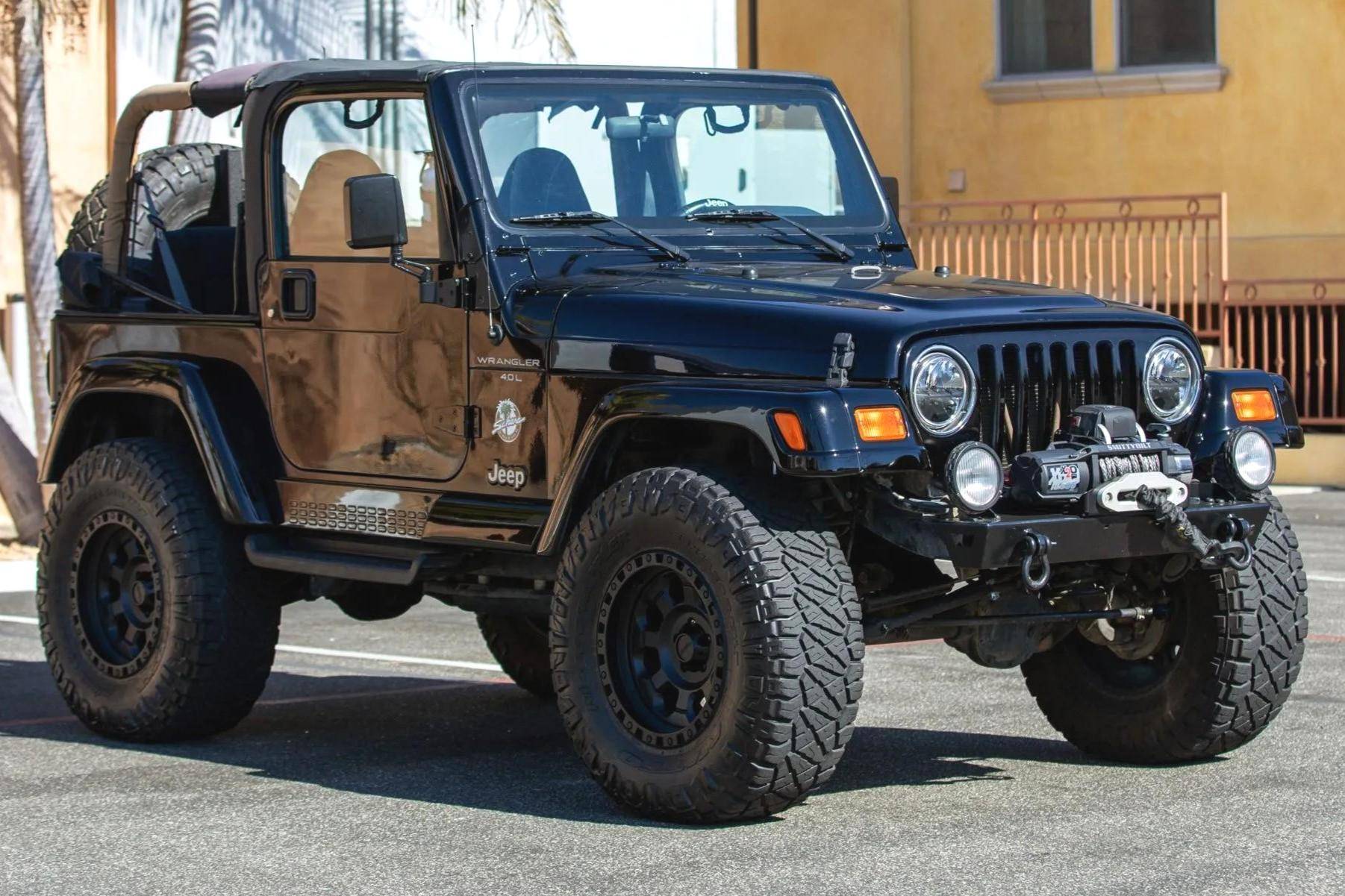
Credit: carsandbids.com
Frequently Asked Questions
Is The Jeep 4.0 Inline 6 A Good Engine?
The Jeep 4. 0 inline 6 engine is reliable, durable, and offers solid performance. It suits off-road and daily driving well. Maintenance is straightforward, boosting longevity. Many enthusiasts praise its torque and simplicity, making it a popular choice for Jeep owners.
What Motor Came In A 1998 Jeep Wrangler?
The 1998 Jeep Wrangler came with a 4. 0-liter inline-six engine producing 190 horsepower. This engine offered reliable performance and durability.
How Much Is A 1998 Jeep Wrangler Worth Today?
A 1998 Jeep Wrangler’s value ranges between $3,000 and $10,000, depending on condition, mileage, and modifications. Use Kelley Blue Book or Edmunds for precise appraisal.
Is The Jeep 6 Cylinder A Good Engine?
The Jeep 6-cylinder engine offers strong torque and durability. It suits off-road and daily driving with reliable performance and good fuel efficiency.
Conclusion
The 1998 Jeep Wrangler with its 4. 0L 6-cylinder engine remains a solid choice. It offers reliable power and durability for daily drives or off-road trips. Maintenance is key to keeping this engine running smoothly. Parts are available, making repairs easier for owners.
This engine suits those who want classic Jeep performance without complexity. Simple design helps with troubleshooting and repairs. For Jeep fans, it blends old-school charm with dependable strength. A good engine choice for many Jeep Wrangler enthusiasts.